
Understanding Nature-Based Solutions: A Strategic Approach in the Middle East


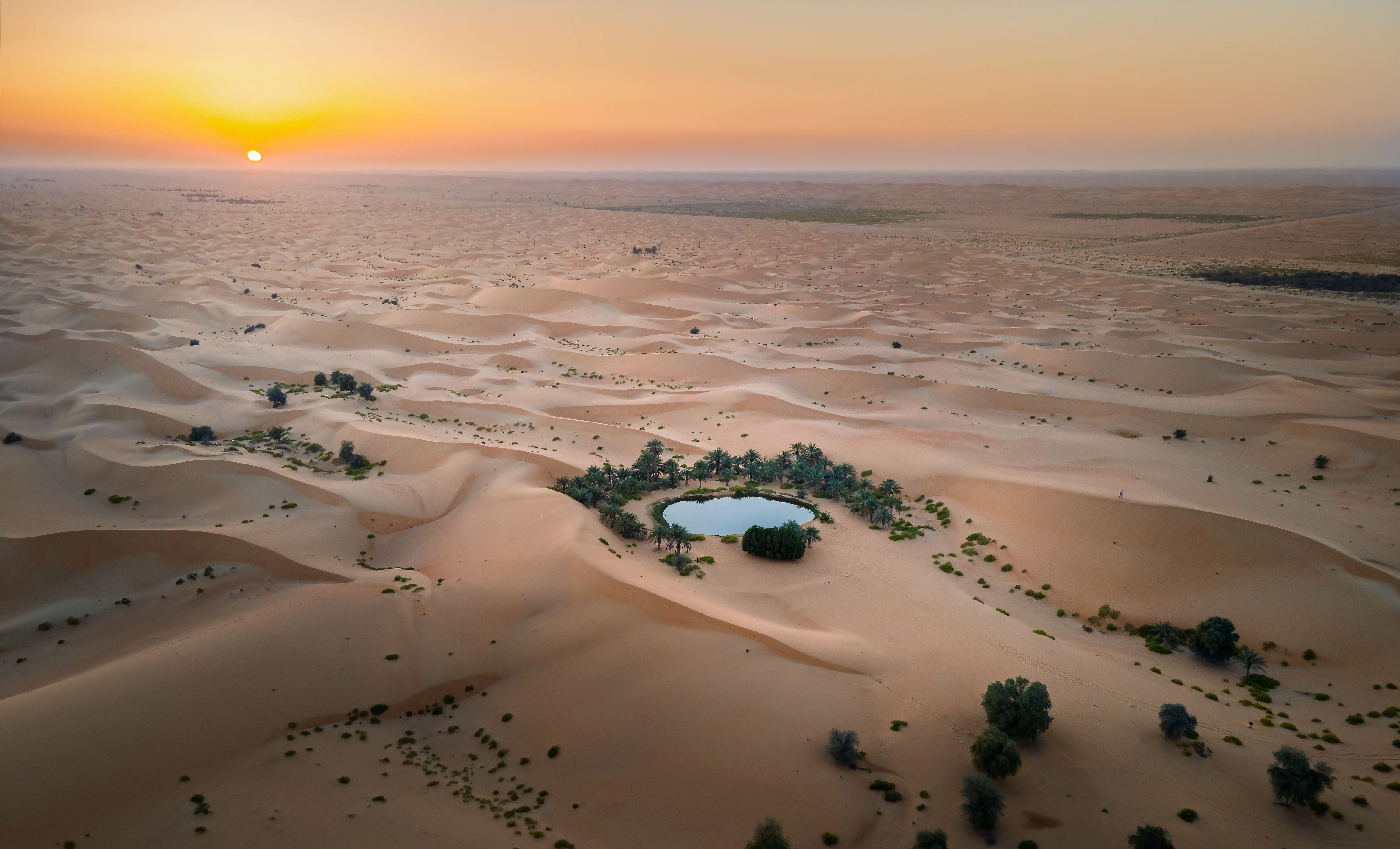
Nature-based solutions (NbS) are gaining traction as a strategic approach to address various environmental, social, and economic challenges. In the Middle East, a region characterized by its arid landscapes and unique ecological diversity, NbS offer promising opportunities for sustainable development.
What Are Nature-Based Solutions?
Nature-based solutions refer to the sustainable management and use of nature to tackle socio-environmental challenges. These solutions are rooted in the concept of working with nature rather than against it. NbS can include a variety of approaches, such as reforestation, wetland restoration, and sustainable farming practices.
In the Middle East, these solutions are particularly significant due to the region's vulnerability to climate change, water scarcity, and biodiversity loss. By leveraging natural processes, NbS can help build resilient ecosystems and communities.
Benefits of Nature-Based Solutions
The benefits of implementing NbS in the Middle East are multifaceted. Firstly, they offer a cost-effective way to enhance environmental resilience. Unlike traditional infrastructure projects, NbS often require lower initial investments and maintenance costs.
- Climate Adaptation: NbS can help mitigate the impacts of climate change by enhancing natural carbon sinks and reducing the urban heat island effect.
- Water Management: Techniques such as rainwater harvesting and wetland restoration can significantly improve water availability and quality.
- Biodiversity Conservation: Protecting and restoring natural habitats supports the preservation of the region's unique flora and fauna.

Challenges and Considerations
Despite their potential, implementing NbS in the Middle East faces several challenges. The primary obstacle is the lack of awareness and understanding of these solutions among policymakers and stakeholders. Additionally, the region's political and economic instability can hinder long-term planning and investment.
Moreover, there is a need for robust scientific research to tailor NbS to the specific ecological and social contexts of the Middle East. Collaboration between governments, NGOs, and the private sector is crucial to overcome these challenges.
Case Studies and Success Stories
Several successful NbS projects have been implemented in the Middle East, providing valuable lessons and inspiration. For instance, the restoration of the Mesopotamian Marshes in Iraq has demonstrated the potential for ecological recovery and improved livelihoods through community engagement and sustainable practices.
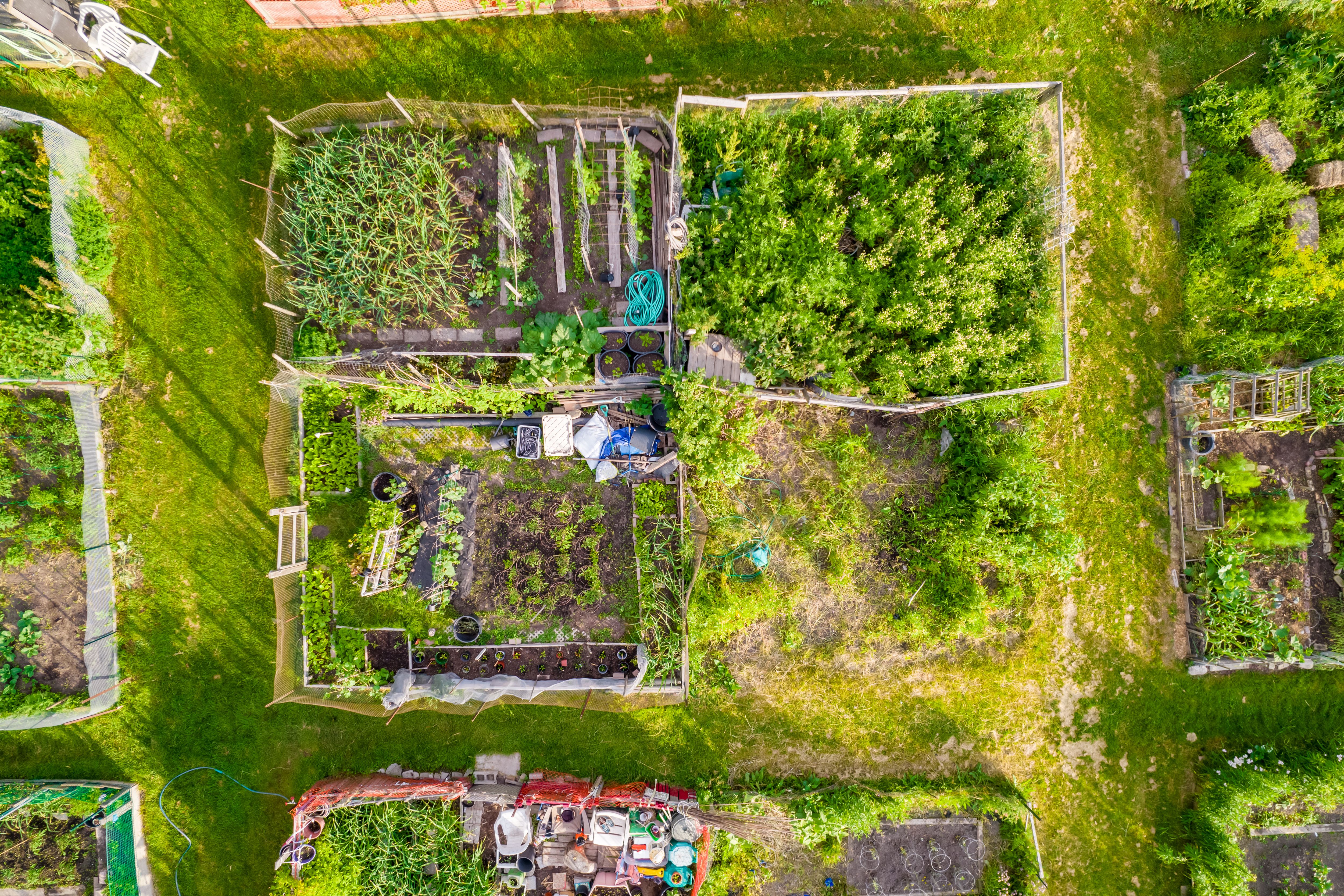
Another example is the implementation of green roofs and urban gardens in cities like Dubai, which have helped reduce energy consumption and promote urban biodiversity.
Future Prospects
As the Middle East continues to face environmental and social challenges, the adoption of nature-based solutions presents a promising path forward. By embracing these solutions, the region can achieve sustainable development goals while preserving its natural heritage.
Looking ahead, fostering partnerships and enhancing regional cooperation will be key to scaling up NbS initiatives. With the right investments and policy support, the Middle East can become a leader in nature-based innovation.