
Sustainable Agriculture in UAE: How to Navigate Local Regulations and Opportunities


In recent years, sustainable agriculture has become a focal point in the UAE's efforts to enhance food security and environmental stewardship. Navigating the landscape of local regulations and opportunities is crucial for those looking to make a meaningful impact in this field.
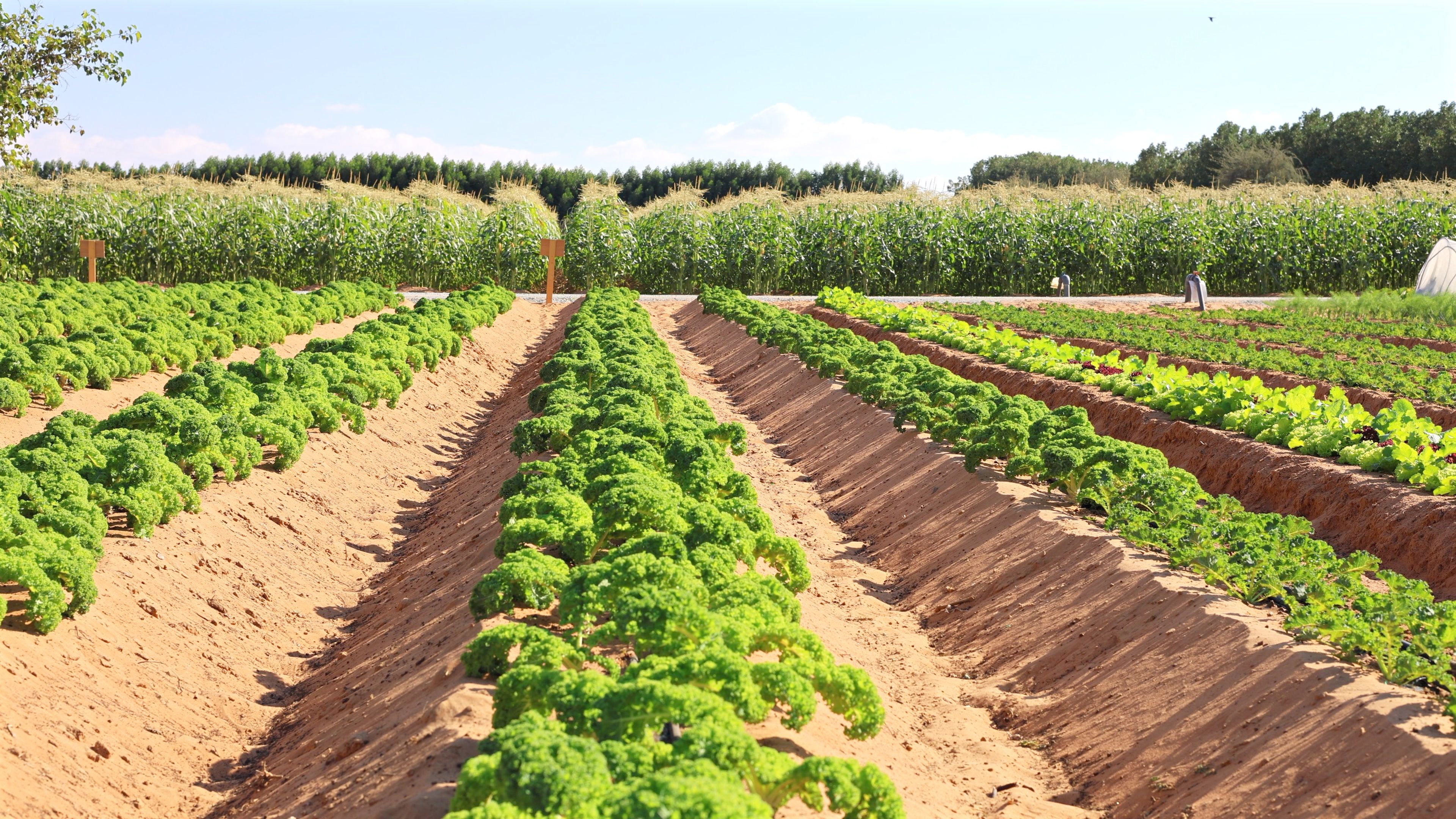
Understanding Local Regulations
The UAE government has implemented a range of regulations to promote sustainable agriculture. These regulations aim to manage water usage, reduce carbon footprints, and encourage organic farming practices. For those entering this sector, understanding these regulations is essential.
A key aspect to consider is the water management policies, as the UAE is a water-scarce nation. Farmers are encouraged to adopt water-saving technologies and methods such as drip irrigation. Compliance with these regulations not only ensures sustainability but also optimizes farming efficiency.
Licensing and Certification
Securing the necessary licenses and certifications is a critical step. The Ministry of Climate Change and Environment (MOCCAE) provides guidelines on obtaining organic certification, which is increasingly valued in the market. This certification not only boosts consumer trust but also opens doors to premium markets.
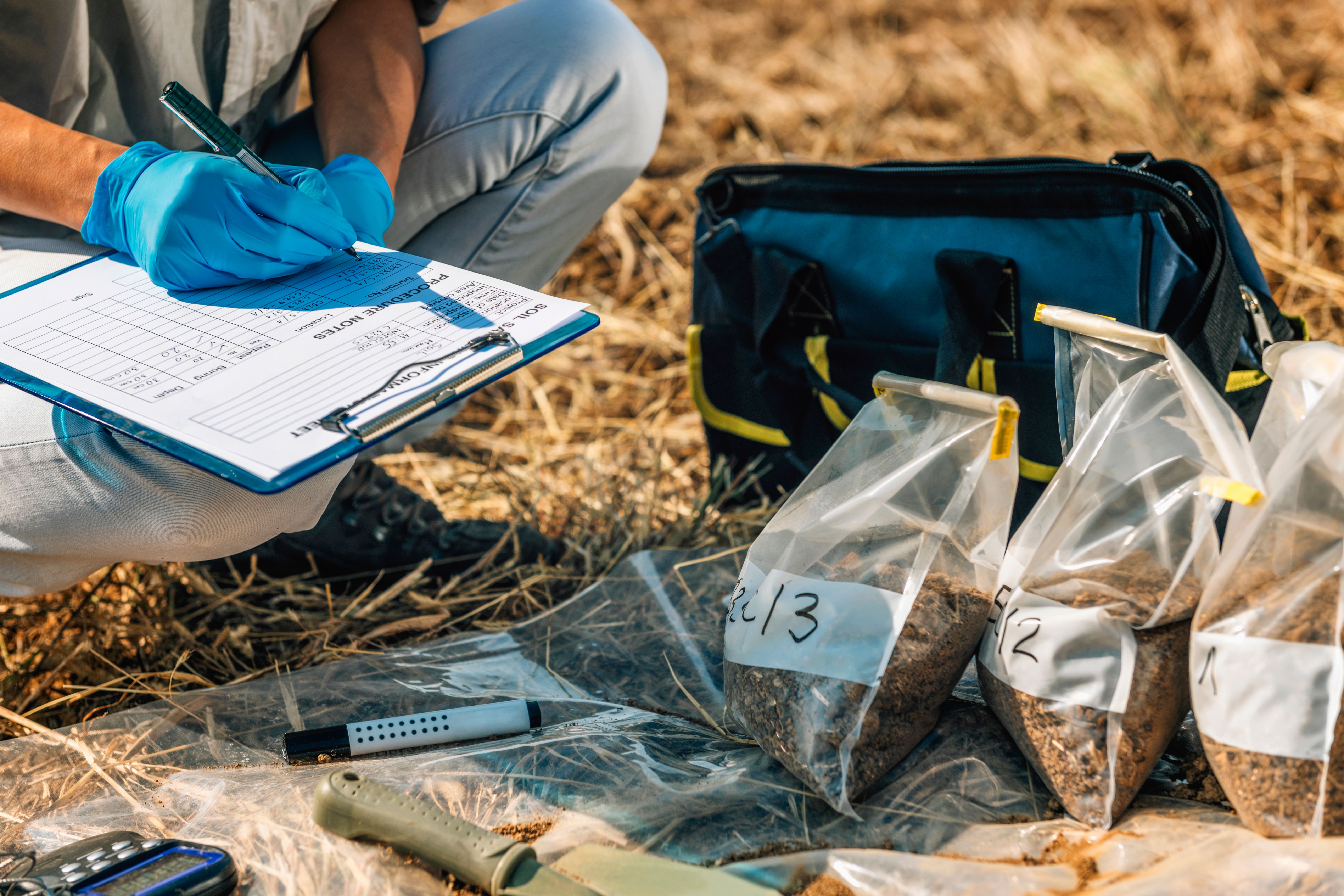
Exploring Opportunities
The UAE's focus on sustainability has unlocked numerous opportunities in agriculture. The government provides incentives for projects that align with national goals, such as renewable energy integration and waste reduction. Entrepreneurs and investors can benefit from these programs, fostering innovations in the sector.
One promising area is the development of vertical farms and hydroponics. These methods require less land and water, making them ideal for the UAE's arid climate. Investing in such technologies can yield substantial returns while contributing to sustainability.
Collaborations and Partnerships
Building partnerships with local and international organizations can enhance your project's success. Collaborating with research institutions can provide access to cutting-edge technologies and practices. Additionally, partnerships with retailers can ensure a steady market for your produce.

Embracing Innovation
Innovation is at the heart of sustainable agriculture in the UAE. The government supports research and development in areas like artificial intelligence (AI) and the Internet of Things (IoT) to optimize farming processes. Embracing these technologies can significantly improve productivity and sustainability.
AI-driven analytics can help in monitoring crop health and predicting yields, while IoT devices can automate irrigation systems. These innovations not only enhance efficiency but also minimize resource wastage, aligning with the UAE's sustainability goals.
Future Prospects
As the UAE continues to prioritize sustainability, the future of agriculture in the region looks promising. With the right approach and adherence to regulations, stakeholders can tap into the growing market for sustainable products. This not only benefits the economy but also contributes to global environmental efforts.
In conclusion, navigating the local regulations and opportunities in sustainable agriculture requires a strategic approach. By understanding the regulatory landscape, exploring innovative opportunities, and fostering collaborations, stakeholders can successfully contribute to the UAE's vision of a sustainable future.