
Sustainable Agriculture in the UAE: Overcoming Common Challenges


Introduction to Sustainable Agriculture in the UAE
The United Arab Emirates (UAE) is known for its arid climate and limited arable land, making sustainable agriculture a challenging yet crucial endeavor. With a growing population and increasing demand for food, the UAE is turning to innovative practices to ensure food security while preserving its natural resources.
Water Scarcity and Management
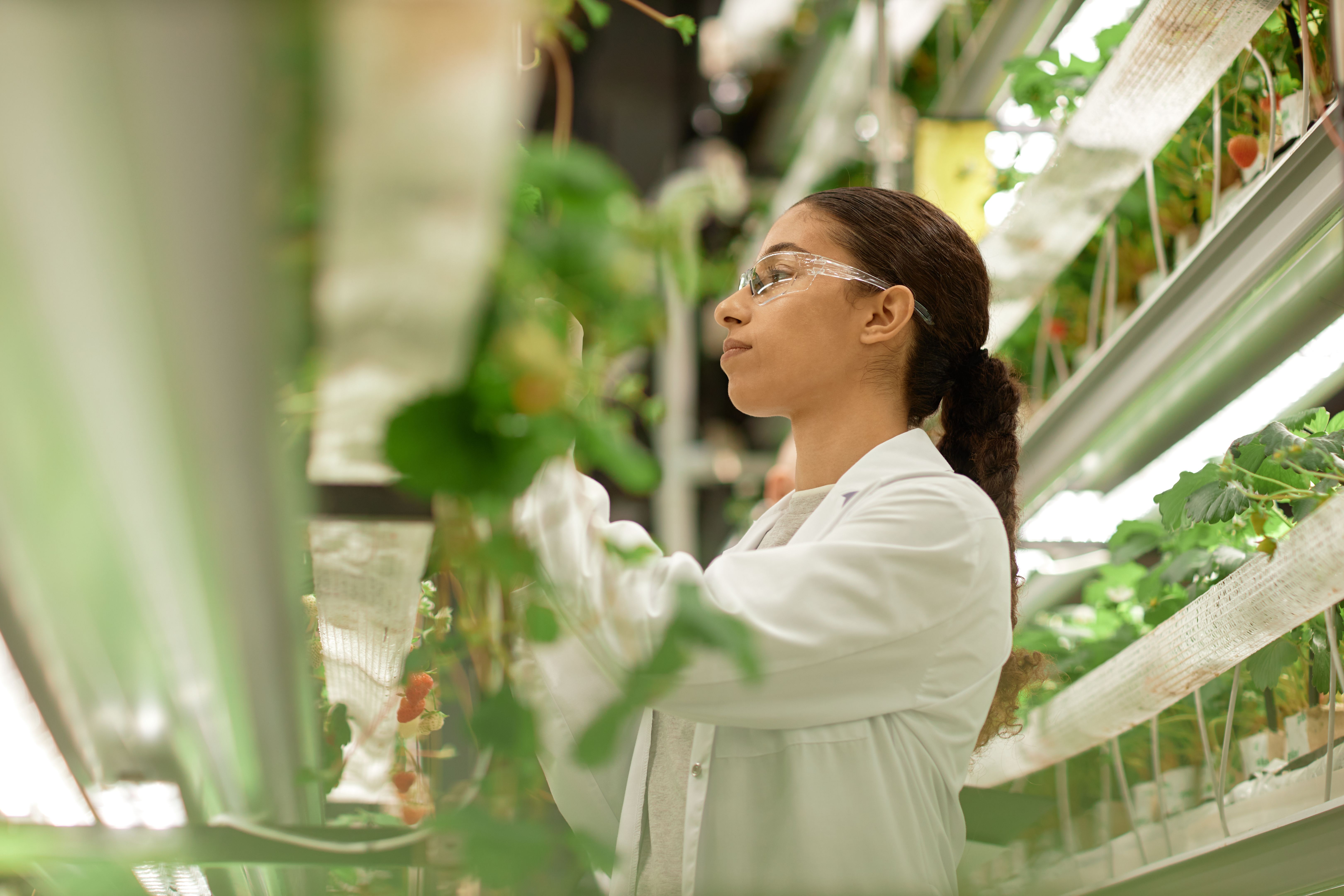
One of the most significant challenges faced by agriculture in the UAE is water scarcity. The country's arid environment means that traditional farming methods are not feasible. To overcome this, the UAE has adopted advanced irrigation techniques, such as drip and hydroponic systems, which use significantly less water compared to conventional methods.
Desalination plants are also playing a crucial role in providing freshwater for agricultural purposes. However, the energy-intensive nature of desalination poses its own set of challenges, prompting the need for sustainable energy solutions.
Soil Fertility and Conservation
Soil in the UAE is often sandy and lacks the nutrients required for traditional farming. To address this, farmers are turning to organic fertilizers and soil amendments that can enhance soil fertility. Crop rotation and the use of cover crops are also being implemented to maintain soil health and prevent erosion.

Additionally, vertical farming is gaining popularity as a means to maximize space and resources while reducing the strain on soil. These innovative methods are helping to overcome the limitations posed by the natural landscape.
Technological Innovations
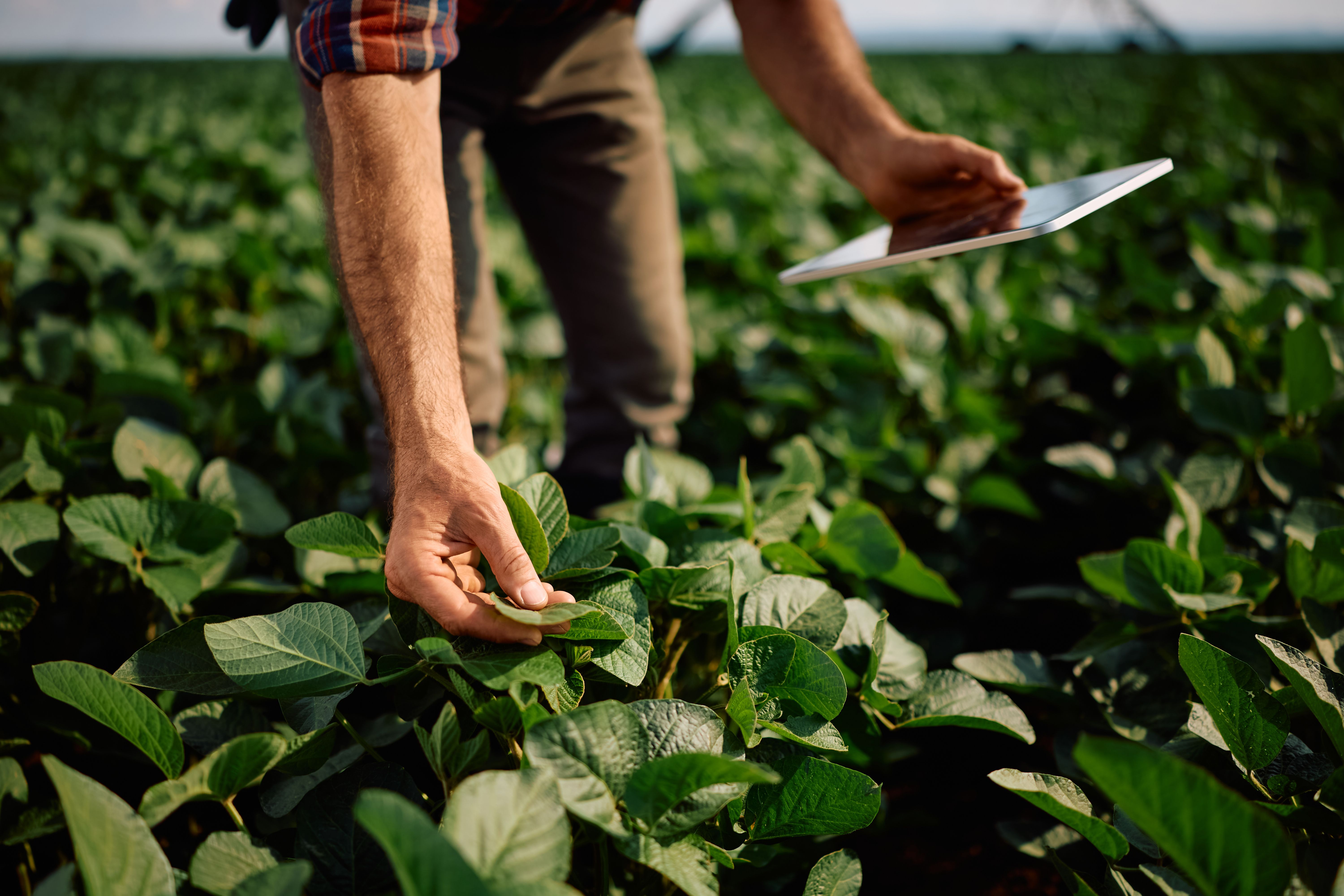
The integration of technology in agriculture is transforming the sector in the UAE. Precision agriculture, which involves the use of sensors and data analytics, allows for more efficient resource management. These technologies enable farmers to monitor crop health, optimize irrigation, and reduce waste.
Furthermore, the use of drones for monitoring and managing large agricultural areas is becoming more common. These drones provide real-time data that help in making informed decisions, ultimately improving crop yield and sustainability.
Government Support and Policies
The UAE government plays a vital role in promoting sustainable agriculture through various initiatives and policies. Subsidies and financial incentives are provided to farmers who adopt sustainable practices. Additionally, the government supports research and development in agricultural technologies to further advance the sector.
Collaborations with international organizations and research institutions are also helping the UAE to stay at the forefront of sustainable agriculture, ensuring that the nation continues to thrive despite its environmental challenges.
Conclusion
The journey towards sustainable agriculture in the UAE is filled with challenges, but through innovation and strategic planning, these obstacles are being overcome. By focusing on water management, soil conservation, technological advancements, and supportive policies, the UAE is paving the way for a more sustainable future in agriculture.
As the country continues to evolve, the success of its sustainable agriculture initiatives serves as a model for other nations facing similar environmental constraints.