
Strategies for Regenerative Agriculture in the Middle East: Expert Insights


Understanding Regenerative Agriculture
Regenerative agriculture is a holistic approach to farming that focuses on restoring soil health, enhancing ecosystem biodiversity, and ultimately improving the resilience of agricultural systems. In the Middle East, where arid climates and limited water resources pose significant challenges, adopting regenerative practices is crucial for sustainable food production.
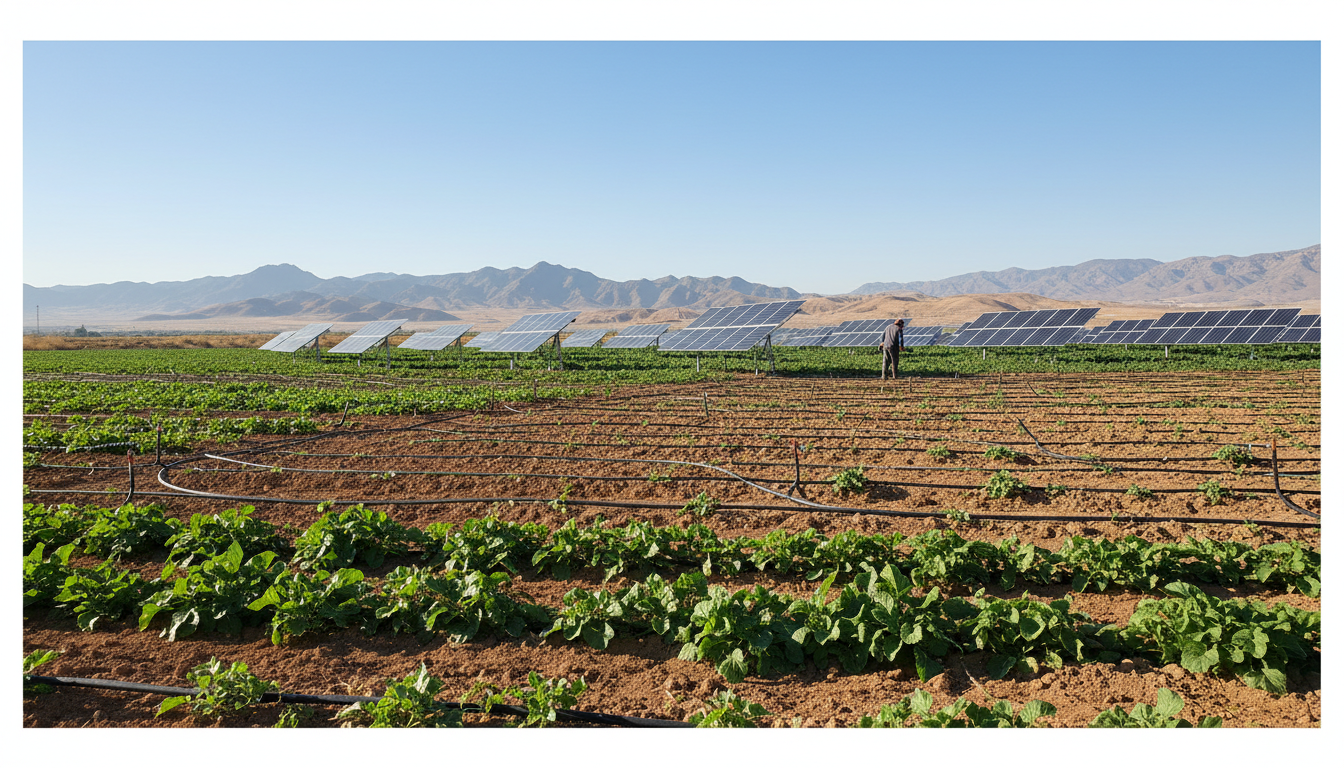
This agricultural method emphasizes practices such as crop rotation, cover cropping, and reduced tillage. By improving soil structure and health, these practices help increase water retention, reduce erosion, and enhance nutrient availability.
Key Strategies for Implementation
Water Management
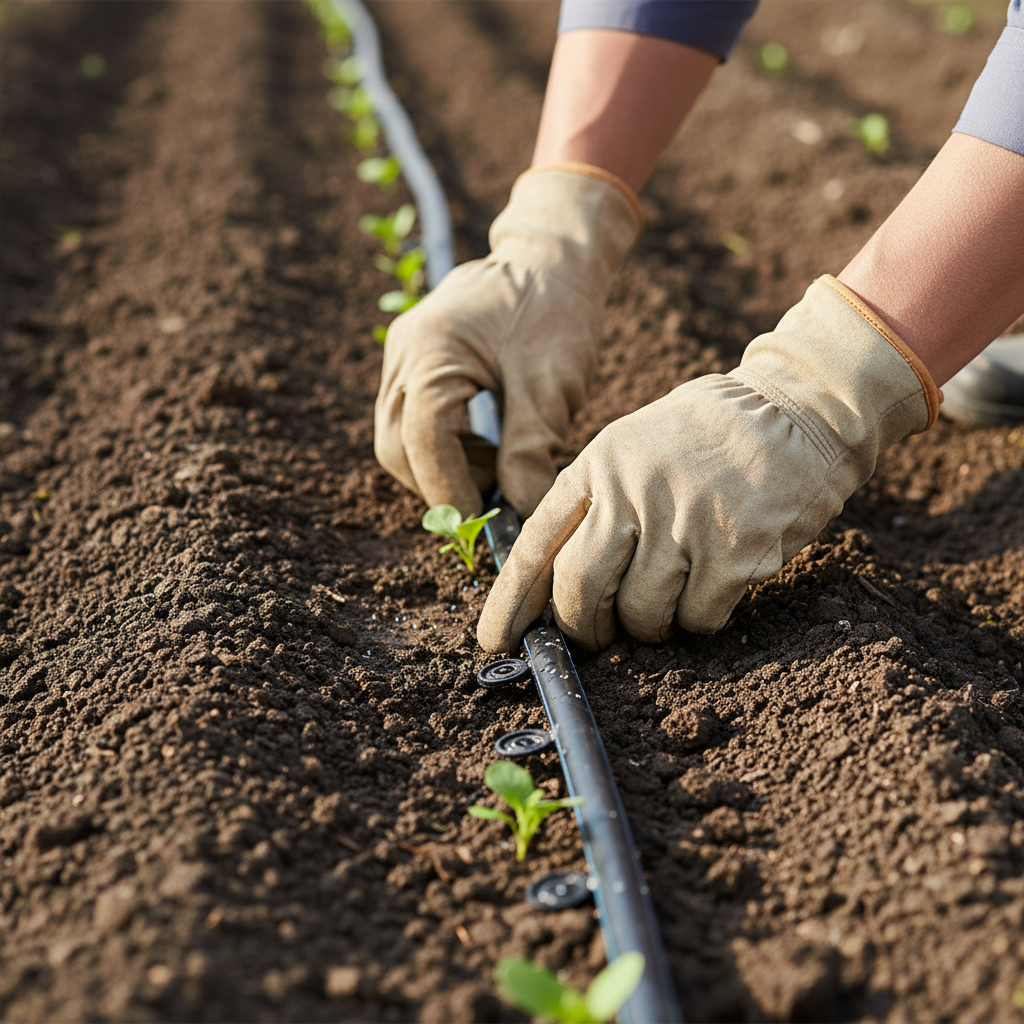
Given the scarcity of water in the Middle East, efficient water management is a priority. Techniques such as drip irrigation and rainwater harvesting can significantly reduce water usage while maintaining crop yield. Additionally, planting drought-resistant crop varieties can further enhance water efficiency.
Soil Health Improvement
Improving soil health is at the core of regenerative agriculture. Incorporating organic matter, such as compost or green manure, can enhance soil fertility and structure. This, combined with reduced chemical inputs, helps maintain a balanced ecosystem within the soil.
Insights from Experts
Adopting Local Practices
Experts emphasize the importance of integrating traditional knowledge with modern techniques. In the Middle East, traditional farming practices, such as terrace farming and the use of indigenous plant species, can offer valuable insights into developing sustainable agricultural systems.

Community Involvement
Successful implementation of regenerative agriculture relies heavily on community involvement. Collaborations between farmers, researchers, and policymakers can facilitate the exchange of knowledge and resources, helping to overcome challenges specific to the region.
Challenges and Opportunities
While the benefits of regenerative agriculture are clear, challenges such as policy restrictions, limited access to resources, and a lack of awareness can hinder widespread adoption. However, these challenges also present opportunities for innovation and collaboration across sectors.
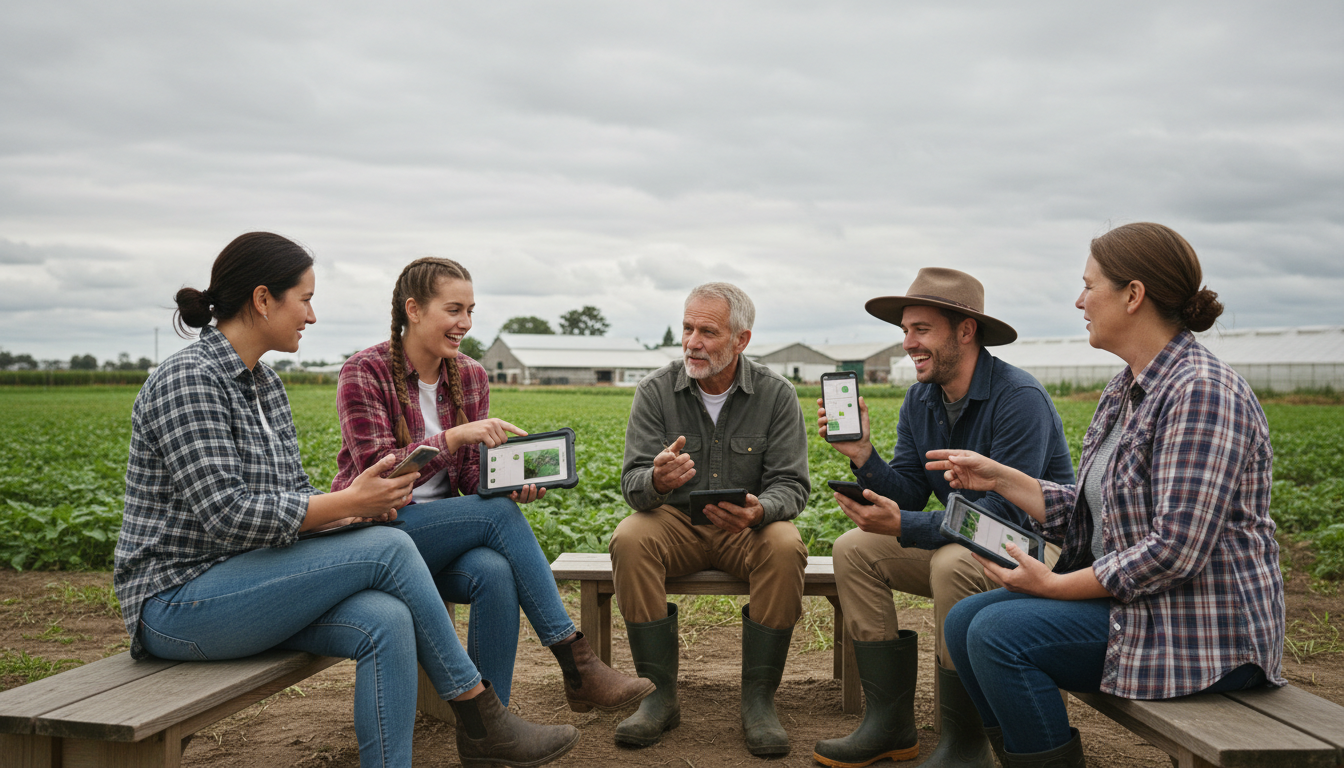
By leveraging technology, fostering community partnerships, and educating stakeholders, the Middle East can transform its agricultural landscape. This approach not only ensures food security but also promotes environmental sustainability in the region.