
Strategies for Regenerative Agriculture in the Middle East: A Comprehensive Guide


Regenerative agriculture is rapidly gaining traction as a sustainable approach to farming that not only focuses on yield but also enhances the health of ecosystems. In the Middle East, a region known for its arid climate and challenging soil conditions, adopting regenerative agriculture can transform agricultural practices and improve food security.
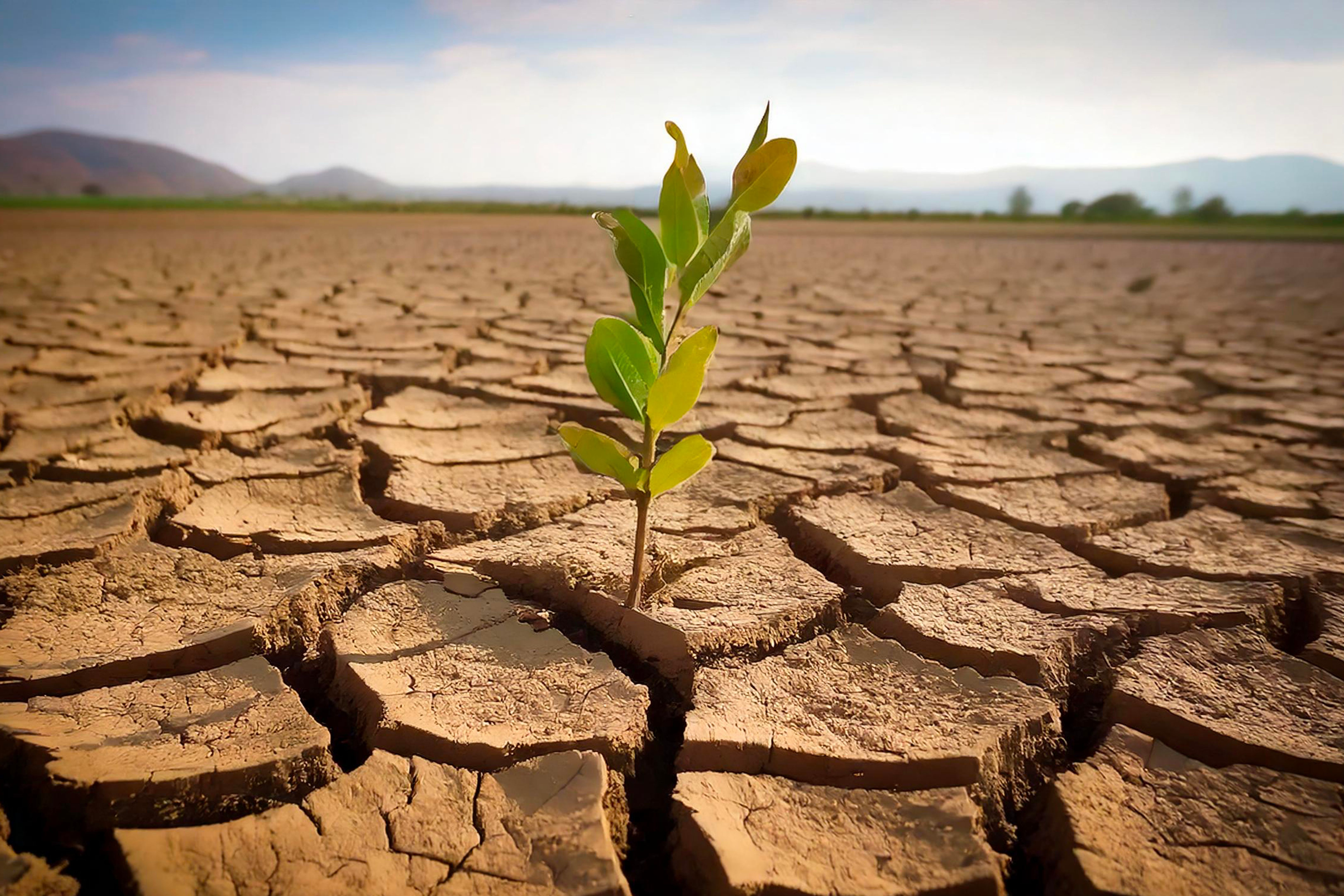
Understanding Regenerative Agriculture
Regenerative agriculture is a system of farming principles and practices that increases biodiversity, enriches soils, improves watersheds, and enhances ecosystem services. This method is crucial for the Middle East, where soil degradation and water scarcity are pressing issues. By focusing on soil health and biodiversity, regenerative agriculture offers a path to resilient and productive landscapes.
Core Principles of Regenerative Agriculture
The core principles of regenerative agriculture include minimizing soil disturbance, maintaining soil cover, maximizing biodiversity, integrating livestock, and ensuring long-term sustainability. These principles align well with traditional agricultural practices in the Middle East, such as dryland farming and agroforestry.

Strategies for Implementing Regenerative Agriculture
Implementing regenerative agriculture in the Middle East requires a tailored approach. Below are some effective strategies:
Soil Health and Management
Improving soil health is fundamental. Practices such as cover cropping, reduced tillage, and composting can significantly enhance soil fertility and structure. These methods help retain moisture, crucial for arid regions. Introducing organic matter into the soil can also increase its water retention capacity.
Water Management
Efficient water management practices are essential in the Middle East. Techniques such as rainwater harvesting, drip irrigation, and the use of drought-resistant crop varieties can optimize water usage. Moreover, employing natural water management systems can enhance the landscape's resilience to climate change.

Promoting Biodiversity
Encouraging biodiversity is a key aspect of regenerative agriculture. Planting a variety of crops and integrating trees into farming systems (agroforestry) can boost ecosystem services and increase resilience against pests and diseases. Additionally, incorporating livestock can aid in nutrient cycling and land management.
Community Involvement and Education
For regenerative agriculture to succeed, community involvement and education are vital. Farmers need training and resources to implement these practices effectively. Collaborative efforts between governments, NGOs, and local communities can foster knowledge sharing and support.

In conclusion, regenerative agriculture offers a promising pathway for sustainable farming in the Middle East. By focusing on soil health, water management, and biodiversity, and by involving local communities, the region can overcome its agricultural challenges and pave the way for a more sustainable future. Adopting these strategies will not only improve food security but also restore ecological balance in the region.