
Seasonal Insights: Preparing for Agricultural Success in the UAE


Understanding the UAE's Unique Climate
The United Arab Emirates (UAE) is known for its arid climate, characterized by high temperatures and minimal rainfall. This presents unique challenges for agriculture, requiring strategic planning and adaptation. Understanding the climatic conditions and seasonal changes is crucial for achieving agricultural success in the region.
Choosing the Right Crops
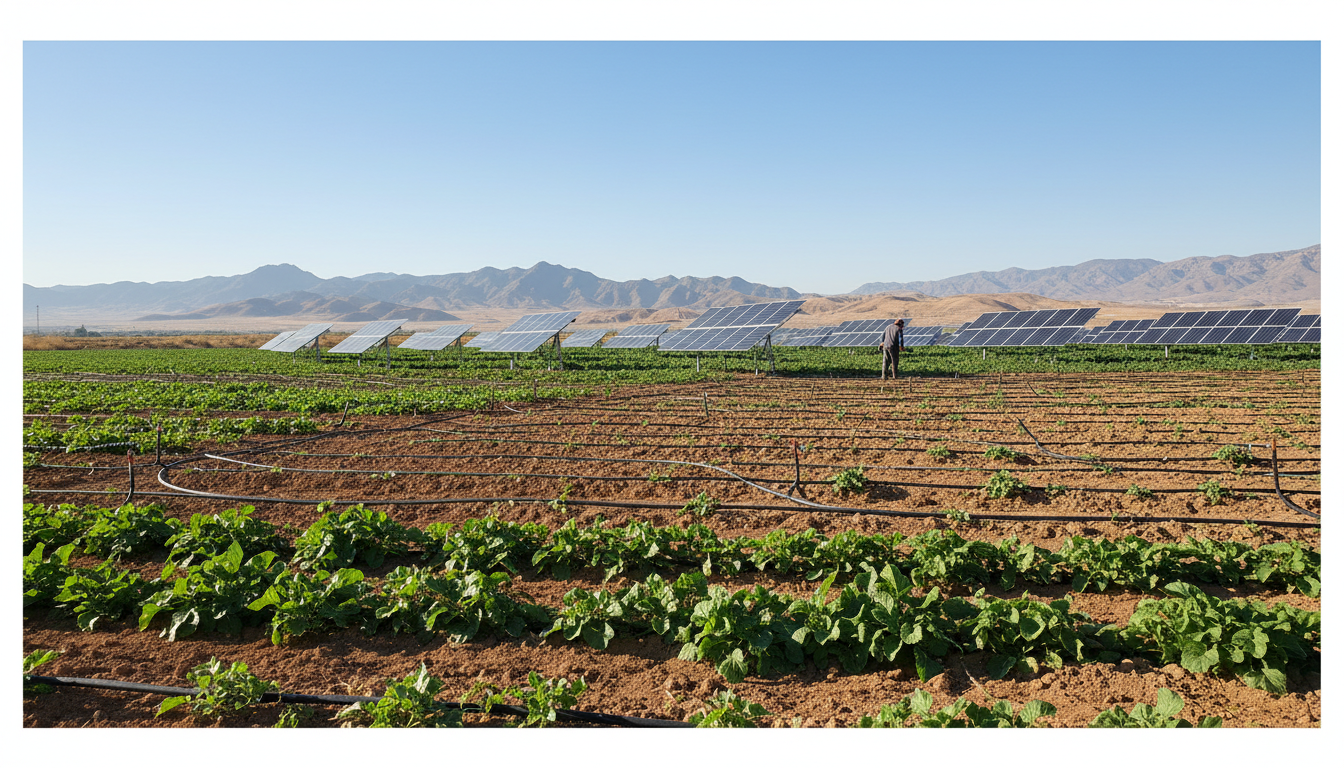
Given the UAE's climate, selecting the appropriate crops is vital. Farmers should focus on varieties that are drought-resistant and can thrive in sandy soils. Some of the best options include dates, certain vegetables, and salt-tolerant plants. Utilizing native plants that are naturally adapted to the local environment can also be beneficial.
Effective crop selection can lead to better yields and reduced resource consumption. It's important to research and invest in seeds that are specifically bred for arid conditions.
Maximizing Water Efficiency
Water scarcity is a significant concern in the UAE, making efficient water management practices essential. Implementing modern irrigation techniques such as drip and subsurface irrigation can drastically reduce water usage while maintaining crop health.
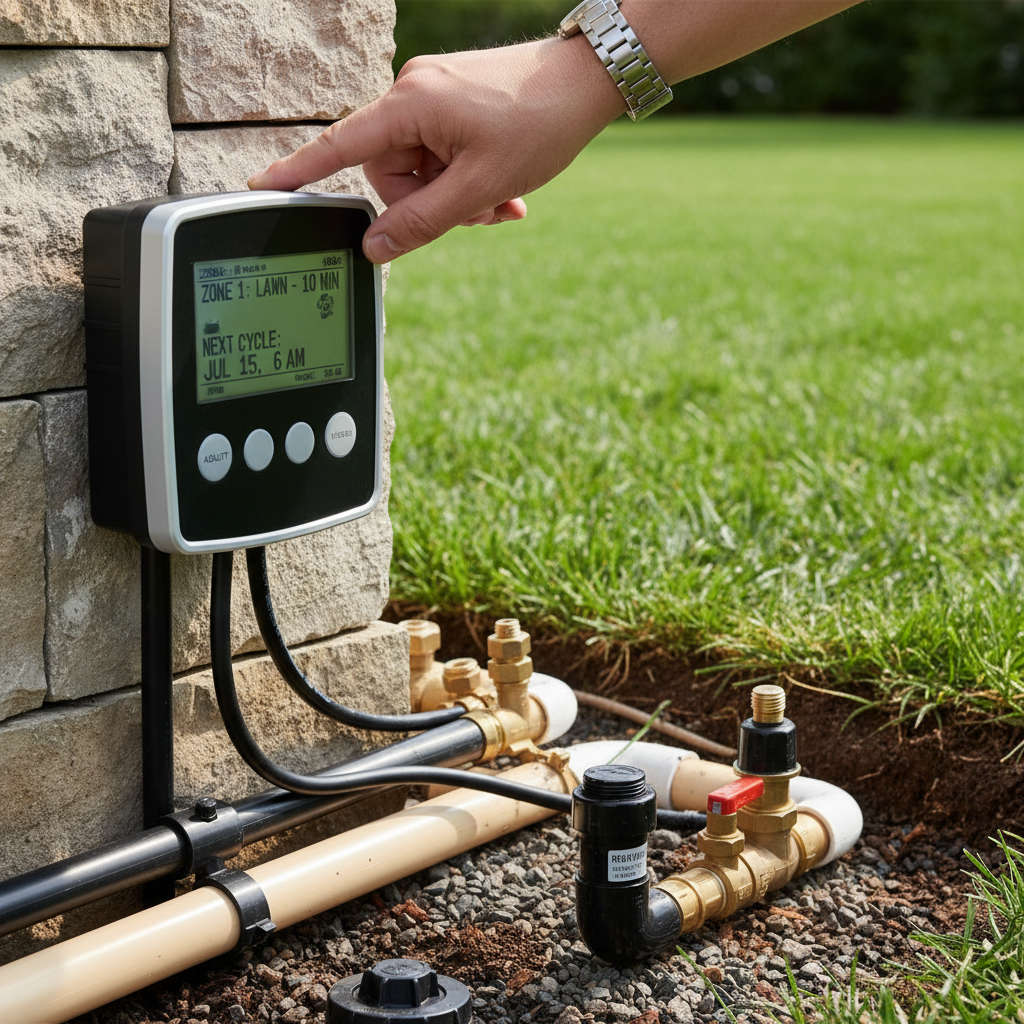
Additionally, integrating technology like soil moisture sensors and automated irrigation systems can help optimize water use, ensuring that plants receive the right amount of hydration without waste.
Utilizing Greenhouse Technologies
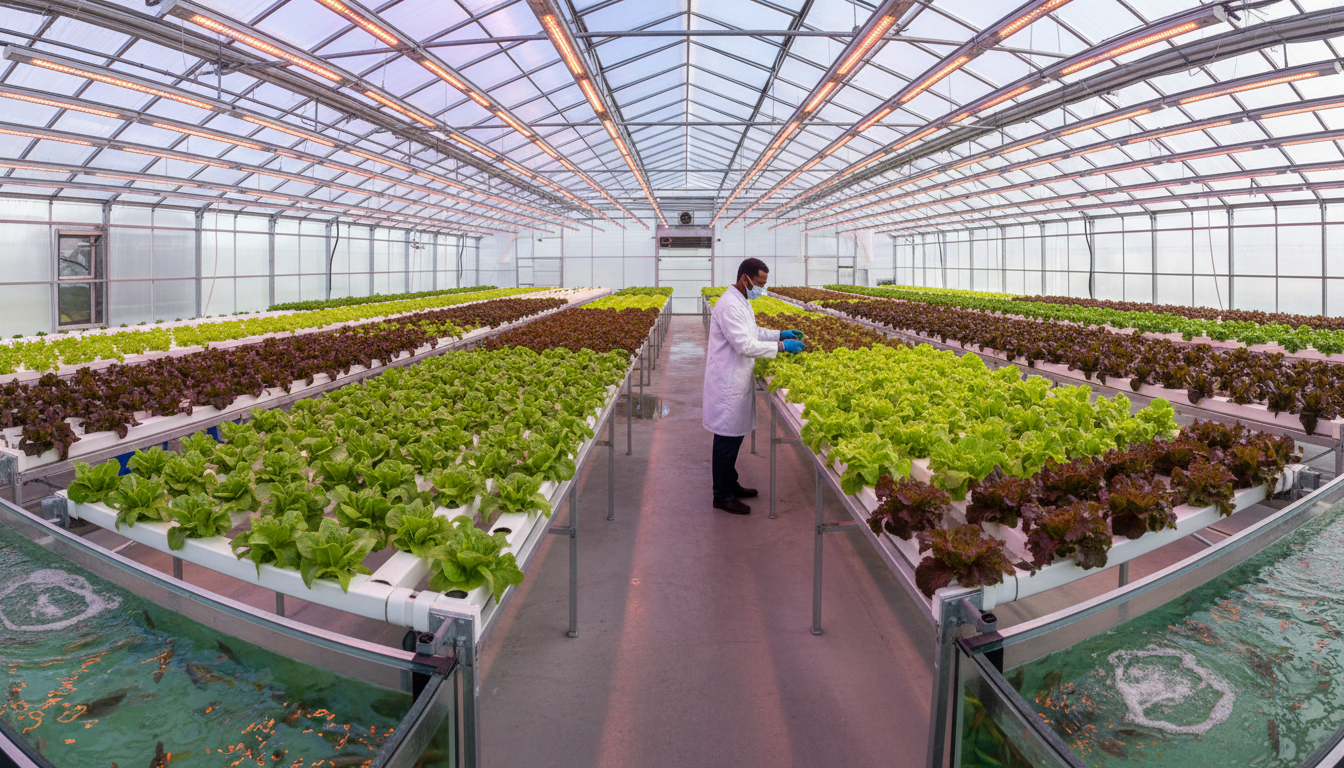
Greenhouses offer a controlled environment that can mitigate the harsh effects of the UAE's climate. By regulating temperature, humidity, and light, greenhouses enable farmers to extend growing seasons and increase productivity.
Investing in greenhouse technology can be a game-changer, allowing for the cultivation of a broader range of crops and improving resilience against extreme weather conditions.
Importance of Soil Health
Maintaining soil fertility is a critical aspect of successful agriculture. In the UAE, soil enrichment through organic matter and fertilizers can greatly enhance productivity. Regular soil testing is recommended to monitor nutrient levels and adjust soil management practices accordingly.
Employing techniques like crop rotation and cover cropping can also improve soil structure and prevent degradation, leading to sustainable agricultural practices.
Leveraging Technology and Innovation
The advancement of agricultural technology offers new opportunities for farmers in the UAE. From precision farming tools to data analytics, technology can provide insights that enhance decision-making and efficiency.

Embracing innovations such as vertical farming and hydroponics can further revolutionize traditional farming methods, offering solutions to space and resource limitations.
Building Resilience Against Climate Change
Climate change poses additional challenges to agriculture, necessitating proactive strategies to mitigate its effects. Diversifying crops, investing in resilient infrastructure, and adopting sustainable practices are crucial for building agricultural resilience.
By focusing on sustainability, the UAE can ensure long-term food security and environmental conservation, aligning with global efforts to combat climate change.
Collaboration and Knowledge Sharing
Collaboration among farmers, researchers, and policymakers can drive innovative solutions and share best practices. Establishing networks and participating in agricultural forums can facilitate knowledge exchange and foster community support.
By working together, stakeholders can address challenges more effectively, paving the way for a prosperous agricultural future in the UAE.