
Regenerative Farming: A Comprehensive Guide for Middle Eastern Agriculture


Understanding Regenerative Farming
Regenerative farming is an innovative approach to agriculture that focuses on restoring and enhancing the health of the land. Unlike conventional farming, which often depletes soil resources, regenerative practices aim to improve soil health, increase biodiversity, and enhance the ecosystem. This method is particularly relevant for the Middle East, where arid conditions and climate challenges necessitate sustainable solutions.
Key Principles of Regenerative Farming
Several core principles define regenerative farming:
- Soil Health: Prioritizing soil health is essential. Techniques such as cover cropping, reduced tillage, and composting help preserve soil structure and fertility.
- Biodiversity: Encouraging a variety of plants and animals enhances ecosystem resilience. This diversity can lead to more robust pest control and improved pollination.
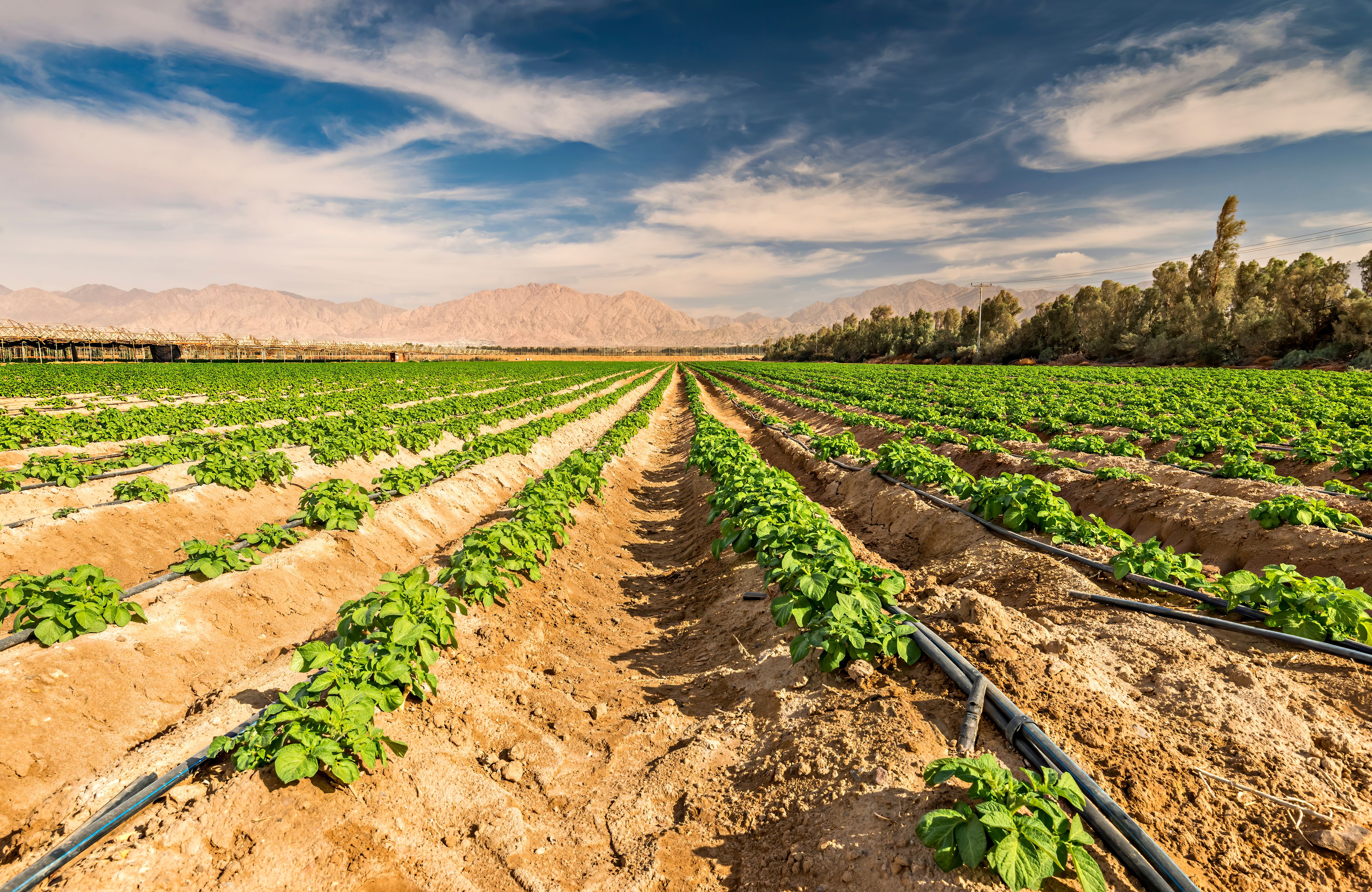
- Water Management: Efficient water use is crucial, especially in arid regions. Techniques like rainwater harvesting and drip irrigation can significantly reduce water waste.
Benefits of Regenerative Farming in the Middle East
Regenerative farming offers numerous benefits, particularly in the Middle East:
- Soil Fertility Improvement: By enhancing soil organic matter, farmers can increase productivity and reduce dependency on chemical fertilizers.
- Climate Resilience: Improved soil and plant health create more resilient systems that can better withstand extreme weather conditions.
- Economic Viability: Reduced costs on inputs and increased yields can lead to greater economic stability for farmers.
Implementing Regenerative Practices
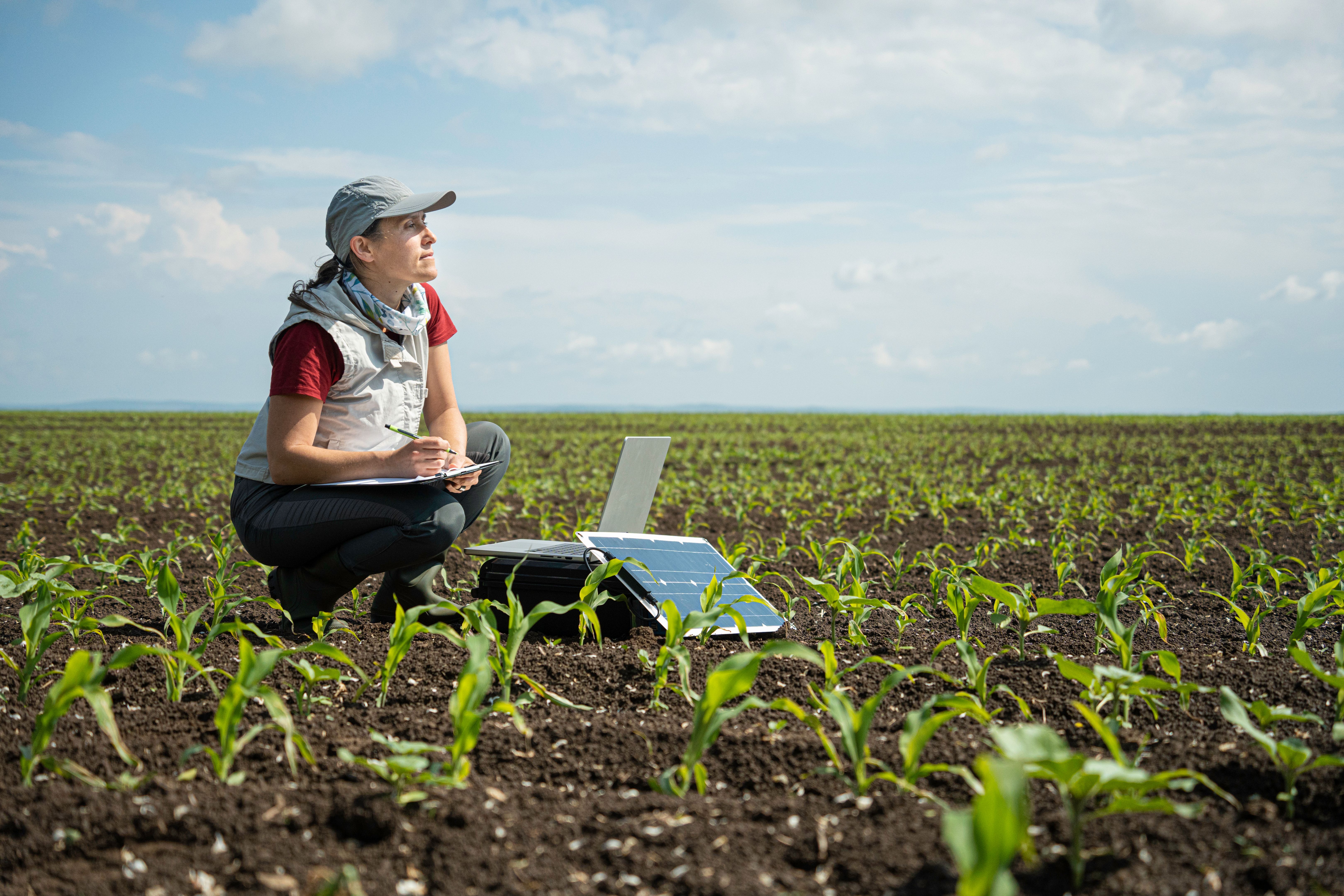
Implementing regenerative practices involves a holistic approach. Farmers should begin with assessing their land's specific needs and challenges. Engaging with local experts and participating in training programs can provide valuable insights and support. Additionally, technologies such as satellite imaging and soil sensors can guide decision-making processes.
Challenges and Considerations
Despite its benefits, regenerative farming comes with challenges. Transitioning from conventional methods may require significant initial investment and effort. Additionally, farmers must be patient, as the benefits of regenerative practices might take time to manifest. However, the long-term rewards often outweigh the initial hurdles.
Case Studies from the Region
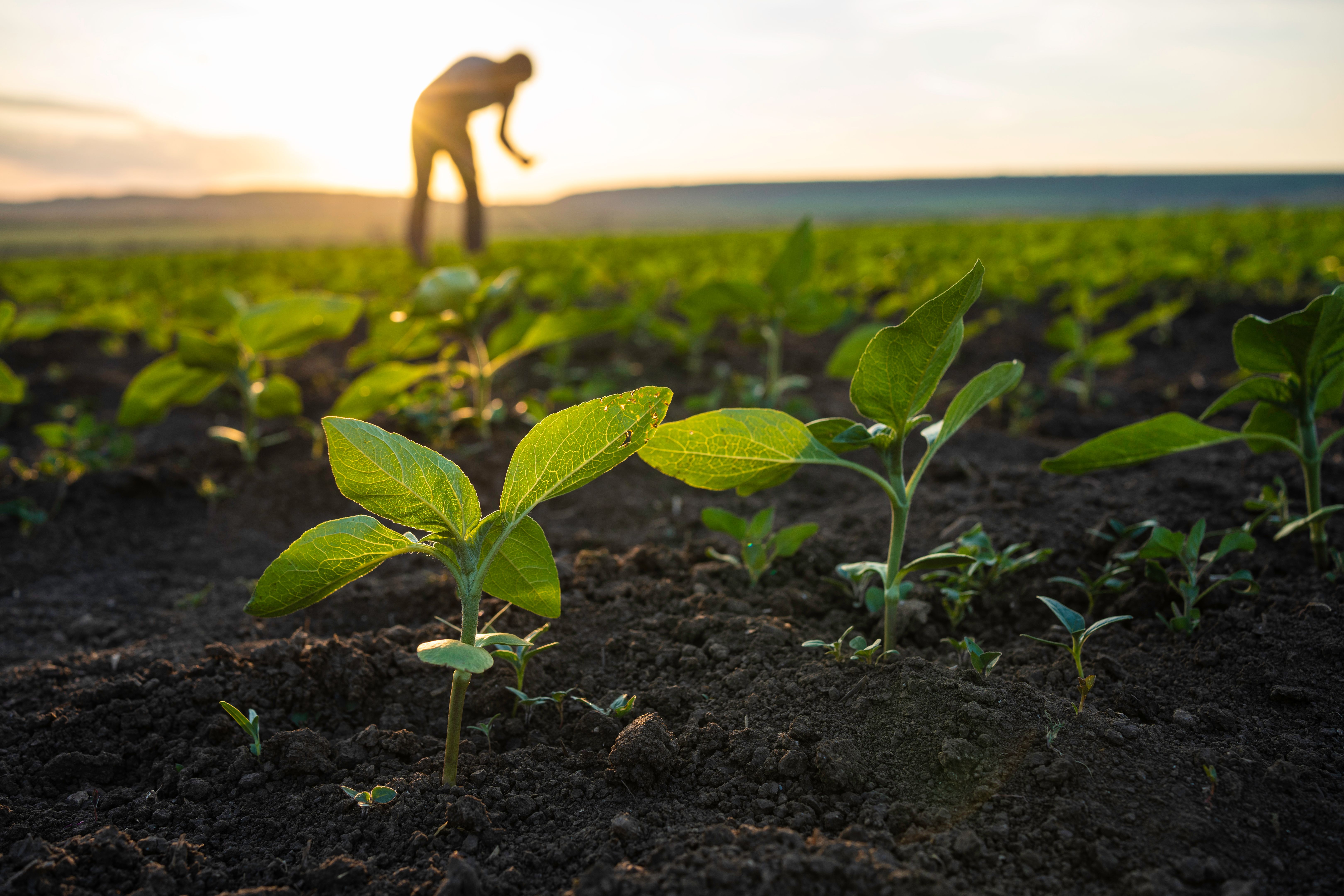
Several successful case studies from the Middle East illustrate the potential of regenerative farming. For instance, farms in Jordan have reported increased yields and improved soil health through the use of permaculture principles. These examples serve as inspiring models for other farmers in the region.
Future Prospects and Conclusion
The future of regenerative farming in the Middle East looks promising. As awareness grows and more farmers adopt these practices, the region can move towards a more sustainable and resilient agricultural future. By investing in regenerative farming, the Middle East can safeguard its agricultural heritage while adapting to the challenges of the modern world.