
Navigating Dubai's Agricultural Market: Key Insights for Success


Understanding Dubai's Agricultural Landscape
Dubai's agricultural market is a unique blend of challenges and opportunities. With its arid climate and limited arable land, traditional farming is not the norm. However, innovation and technology have paved the way for a thriving agricultural sector. Entrepreneurs and businesses looking to enter this market must understand the local dynamics to succeed.
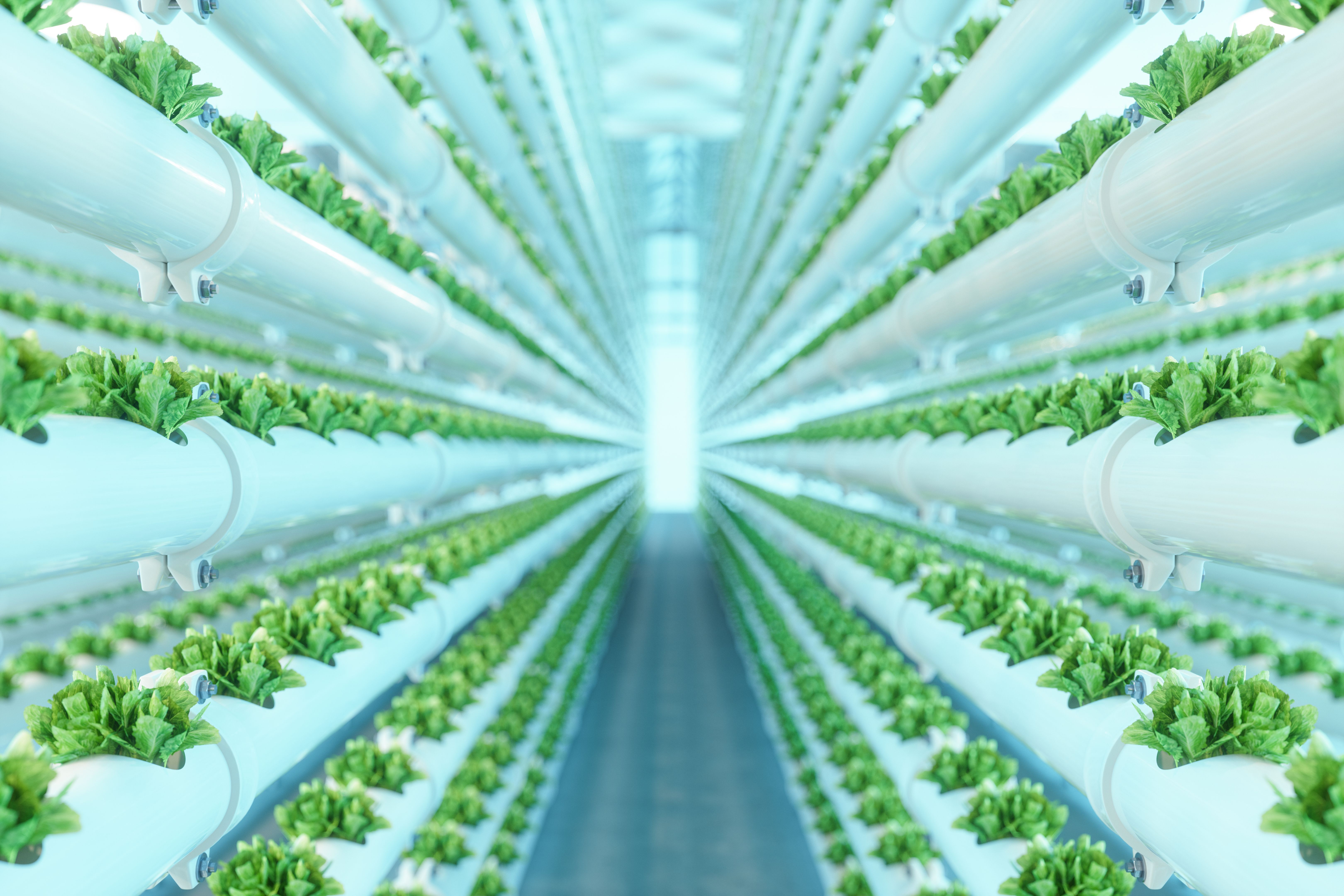
In recent years, Dubai has made significant investments in agricultural technology. From hydroponics to vertical farming, these innovations are transforming the way food is produced. This shift is driven by the need for sustainability and food security, making it a booming market for tech-savvy investors and farmers.
Key Challenges in Dubai's Agricultural Market
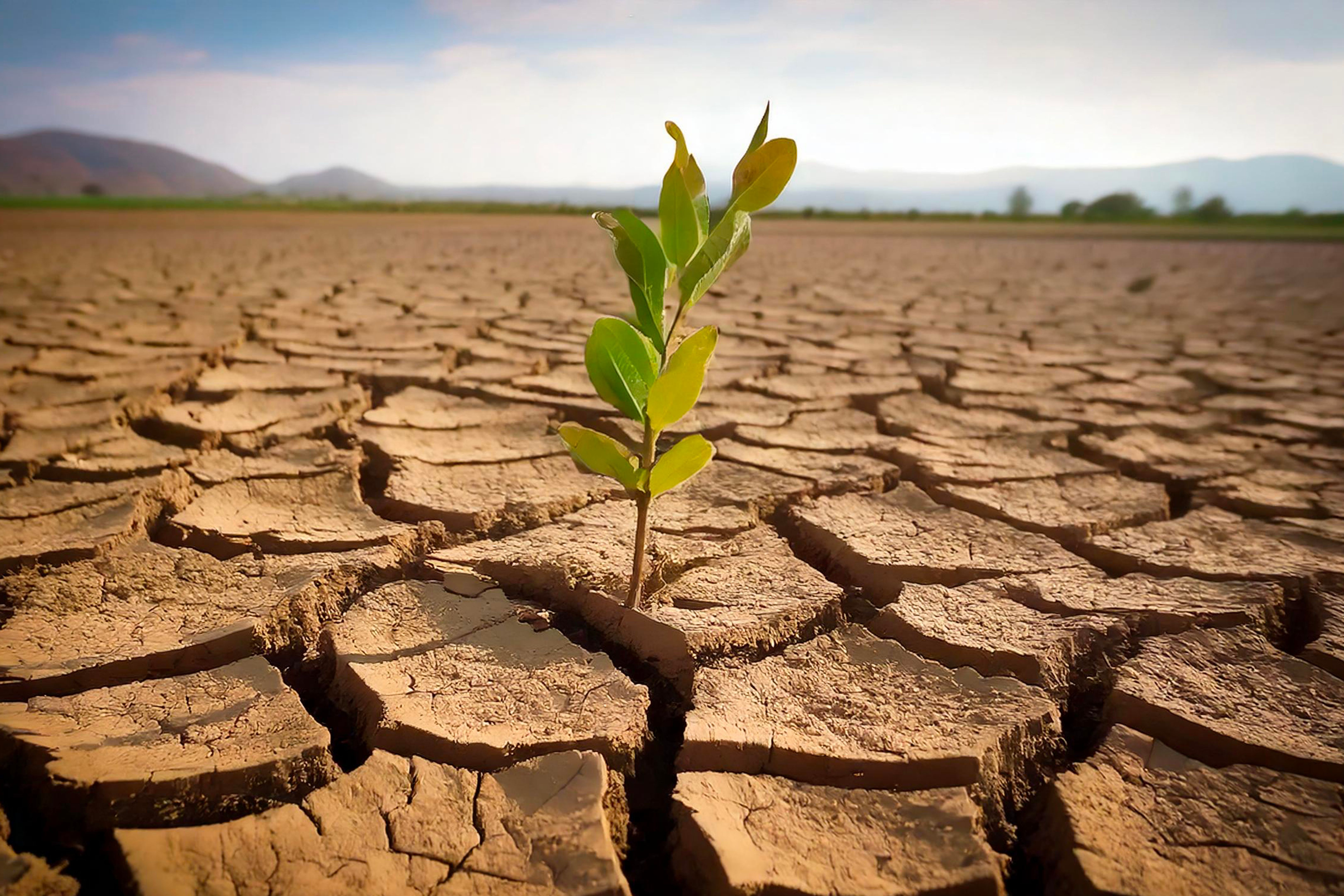
Despite technological advancements, several challenges persist in Dubai's agricultural market. Water scarcity is a major issue, as agriculture consumes a significant portion of the available water resources. Innovative irrigation techniques and water management systems are essential to overcome this hurdle.
Moreover, the extreme climate poses another challenge. High temperatures and sandstorms can affect crop yields. Farmers must invest in climate-controlled environments and resilient crop varieties to mitigate these risks.
Regulatory Framework and Support
Dubai's government has established a supportive regulatory framework to encourage agricultural growth. Initiatives such as subsidies, tax incentives, and grants are available to farmers and businesses. Understanding these regulations is crucial for a successful venture.
Furthermore, the government collaborates with international organizations to enhance research and development in agriculture. This partnership aims to introduce cutting-edge technologies and sustainable practices.
Opportunities for Innovation and Growth
Dubai's agricultural market is ripe for innovation. Urban farming, aquaponics, and organic farming are emerging trends that offer lucrative opportunities. Entrepreneurs can capitalize on these trends by adopting sustainable practices and leveraging technology.
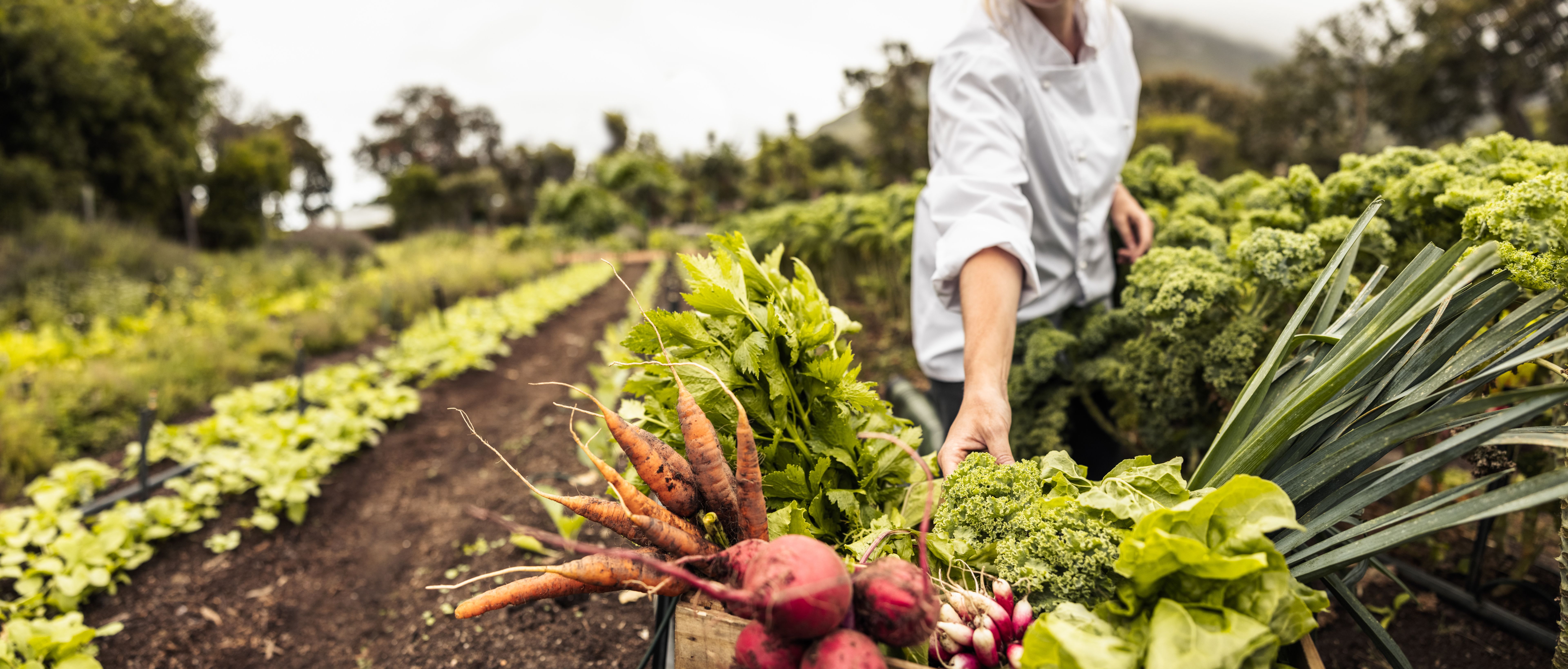
Additionally, the demand for locally produced, organic food is on the rise. Consumers are increasingly health-conscious, creating a niche market for organic produce. Businesses that prioritize quality and sustainability can thrive in this environment.
Building a Strong Network
Networking is vital in Dubai's agricultural sector. Collaborating with local farmers, suppliers, and distributors can enhance market reach and operational efficiency. Attending industry events and joining agricultural associations can provide valuable insights and connections.
Building relationships with government bodies and research institutions can also facilitate access to resources and support. These connections can be instrumental in navigating the complexities of Dubai's agricultural market.

Conclusion: Embracing the Future of Agriculture in Dubai
Dubai's agricultural market presents a unique blend of challenges and opportunities. By embracing innovation, understanding the regulatory landscape, and building strong networks, businesses can achieve success in this dynamic market. As the city continues to prioritize sustainability and food security, the future of agriculture in Dubai holds immense potential.