
Navigating Dubai's Agri-Food Sector: A Comprehensive Guide for New Entrants


Understanding Dubai’s Agri-Food Sector
The agri-food sector in Dubai is rapidly evolving, offering a plethora of opportunities for new entrants. With its strategic location, world-class infrastructure, and government support, Dubai has become a hub for agri-food businesses looking to expand in the Middle East. This guide aims to provide insights into navigating this promising sector.
The Role of Government Initiatives
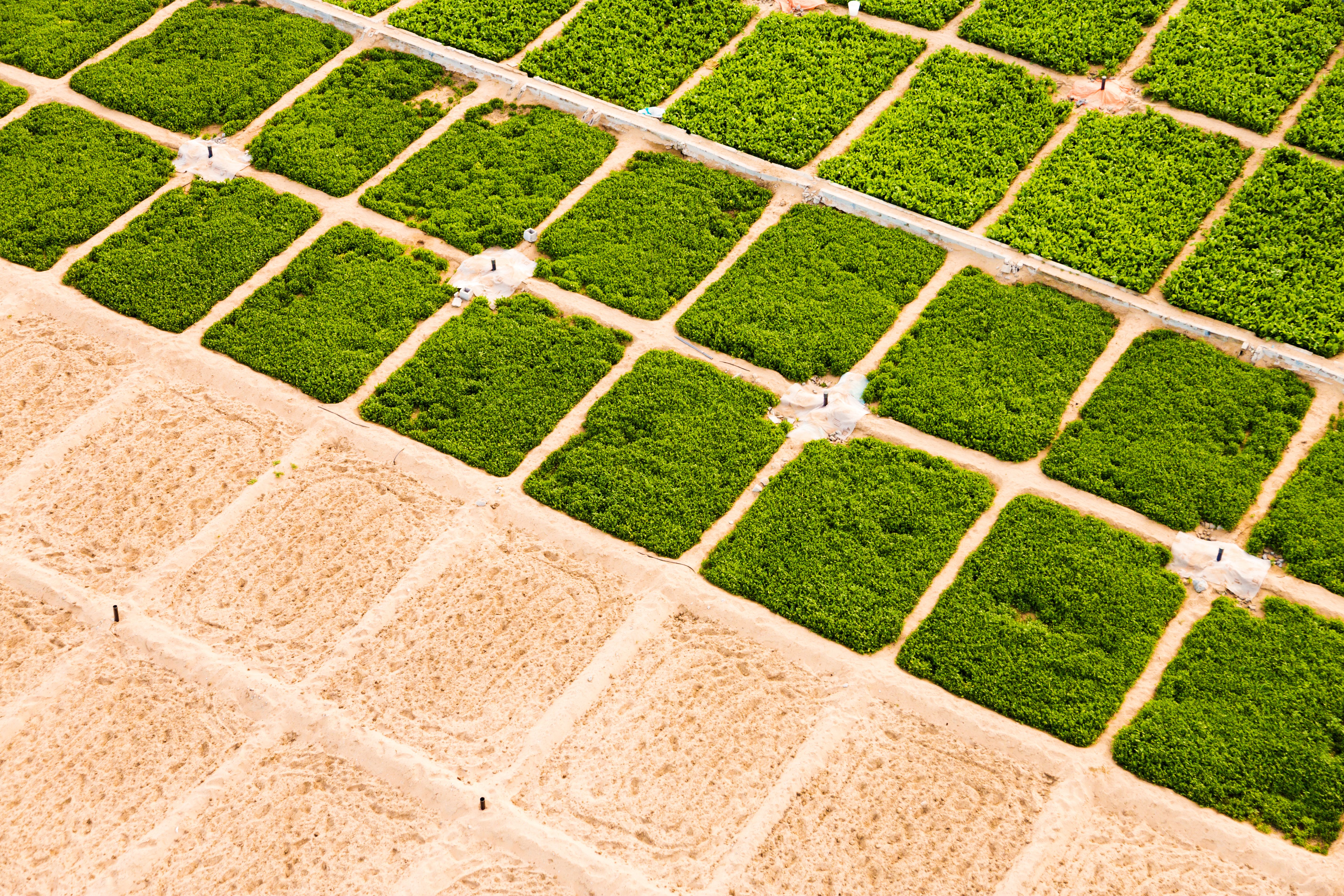
The UAE government has launched several initiatives to boost the agri-food sector. Programs like the Food Security Strategy 2051 aim to make Dubai a global leader in innovation-driven food security. These initiatives focus on sustainable farming, reducing food waste, and increasing local food production.
For new businesses, understanding these government policies is crucial. They not only provide a framework for operations but also offer support in terms of funding and resources. Engaging with these initiatives can provide a competitive edge.
Market Entry Strategies
Entering the Dubai agri-food market requires a well-planned strategy. New entrants should focus on identifying niche markets and tailoring their offerings to meet local demands. Conducting thorough market research is essential to understand consumer preferences and competition.

Businesses should also consider forming partnerships with local companies. Collaborations can facilitate easier market entry by providing access to established networks and resources. Additionally, leveraging Dubai’s free zones can offer significant advantages, such as tax benefits and full foreign ownership.
Leveraging Technology and Innovation
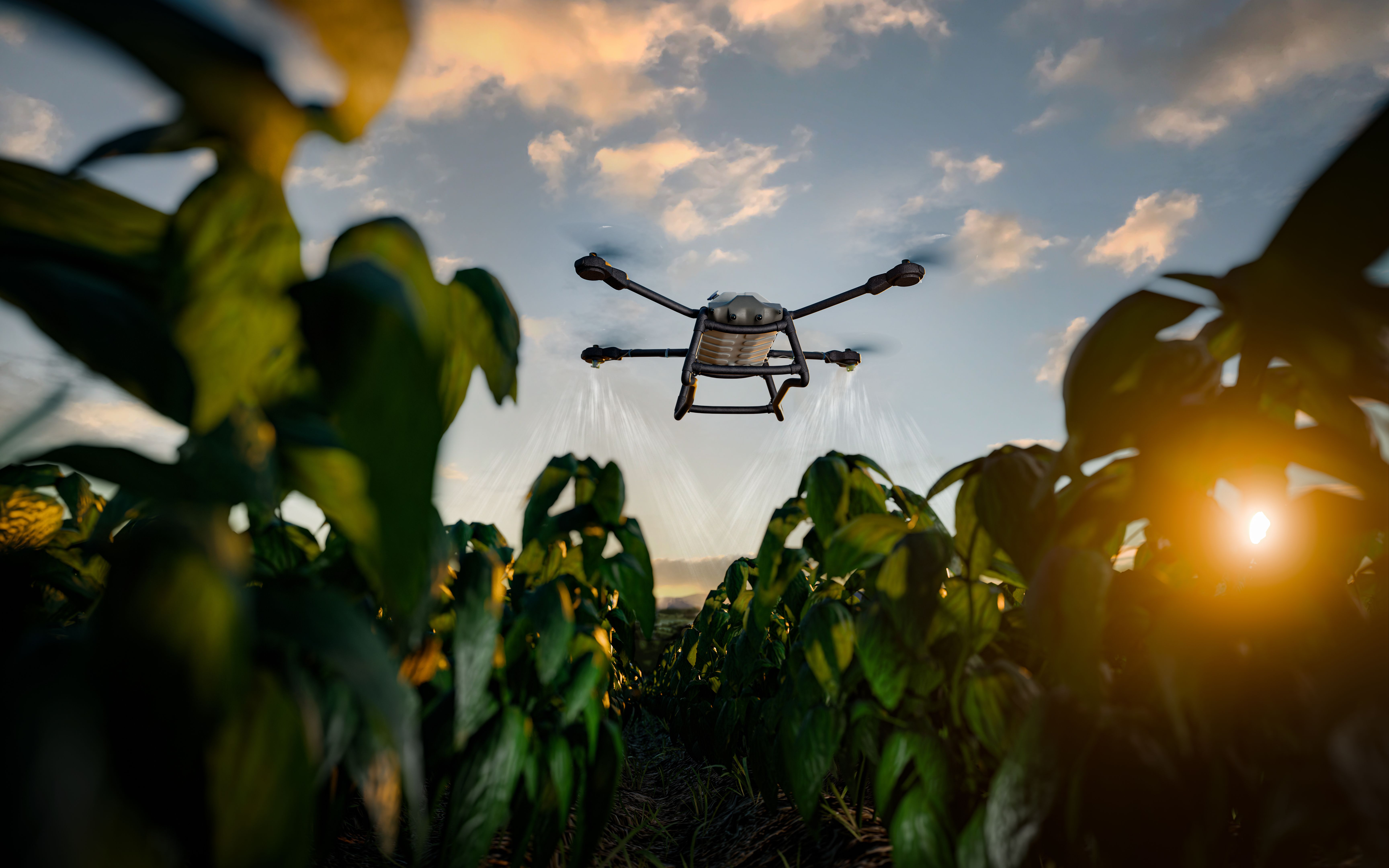
Dubai’s agri-food sector is increasingly embracing technology to enhance productivity and sustainability. Innovations such as vertical farming, hydroponics, and aquaponics are gaining traction. These technologies not only maximize space utilization but also reduce water consumption, which is a critical factor in the arid climate of Dubai.
New entrants should consider investing in these technologies to stay competitive. By adopting innovative practices, businesses can improve efficiency and meet the growing demand for fresh and sustainable produce.
Understanding Consumer Trends
Consumer preferences in Dubai are shifting towards healthier and organic food options. There is a growing demand for locally sourced and sustainable products. Businesses entering the market should align their offerings with these trends to attract health-conscious consumers.
Marketing strategies should emphasize the quality and sustainability of products. Highlighting certifications, such as organic and fair-trade, can enhance brand reputation and consumer trust.
Challenges and Opportunities
While the Dubai agri-food sector is full of opportunities, it also presents challenges. The harsh climate, water scarcity, and high operational costs are significant hurdles. However, these challenges can be mitigated through strategic planning and technology adoption.

Opportunities lie in the growing demand for innovative and sustainable food solutions. By focusing on sustainability and leveraging Dubai’s strategic location, new entrants can tap into both local and international markets.
In conclusion, Dubai's agri-food sector offers a fertile ground for growth and innovation. With the right strategies and an understanding of local dynamics, new entrants can successfully navigate this vibrant market.