
Maximizing Agricultural Inputs Efficiency in the Middle East


Introduction to Agricultural Inputs Efficiency
Efficient use of agricultural inputs such as water, fertilizers, and seeds is crucial for sustainable farming, especially in the Middle East, where resources are often limited. By optimizing these inputs, farmers can enhance productivity while minimizing environmental impact.
The region's unique climate and soil conditions pose specific challenges, making it essential to adopt strategies that cater to these factors. Understanding the local context is the first step in achieving input efficiency.

Water Management Techniques
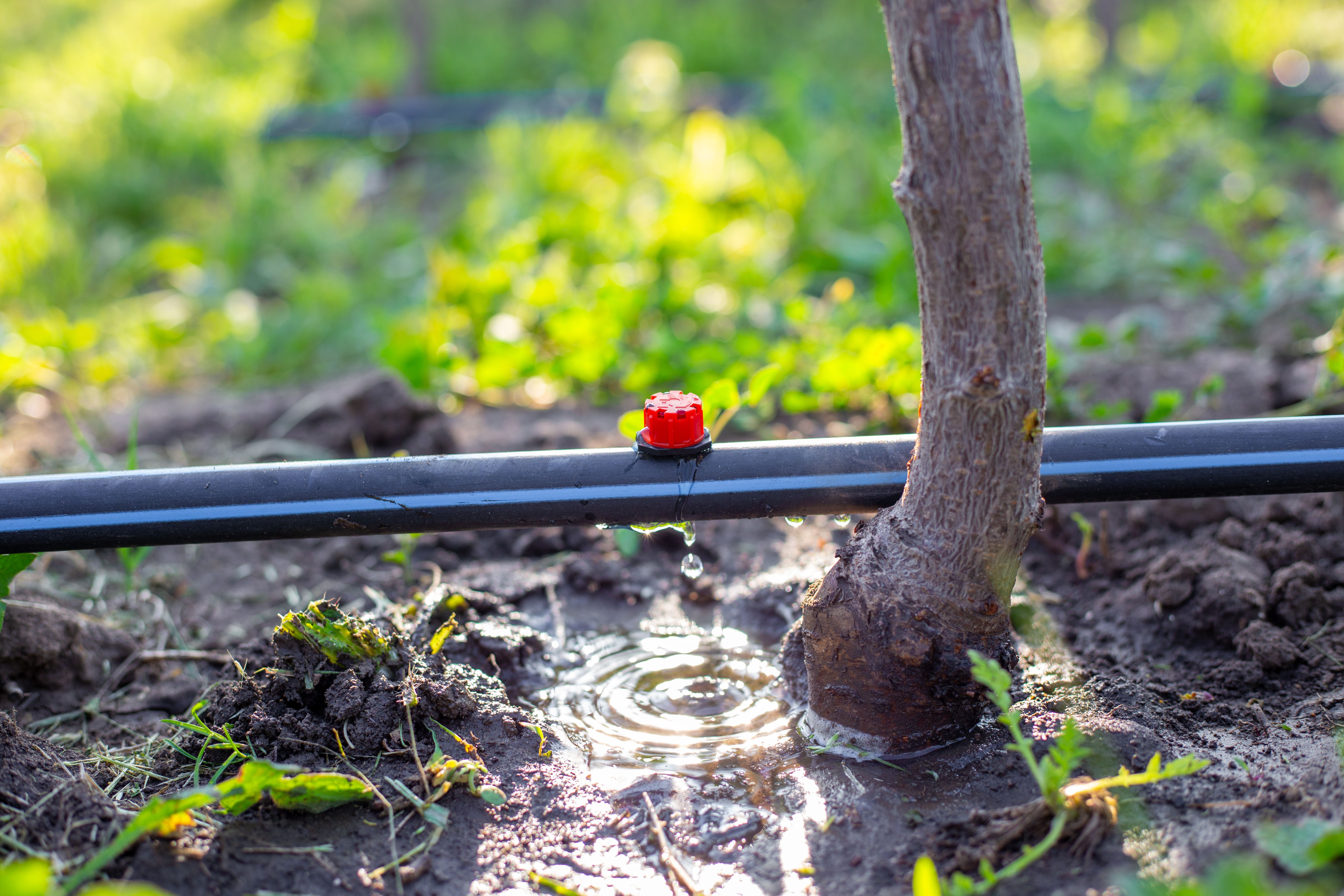
Water scarcity is a significant issue in the Middle East, and adopting efficient water management techniques is vital. Implementing drip irrigation systems can reduce water usage by up to 60% compared to traditional methods.
Additionally, rainwater harvesting and using treated wastewater for irrigation can further alleviate water stress. These methods not only conserve water but also improve crop yield and quality.
Advanced technologies such as soil moisture sensors can help farmers make informed decisions about when and how much to water their crops, ensuring optimal growth conditions.
Optimizing Fertilizer Use
Overuse of fertilizers can lead to soil degradation and environmental pollution. To maximize efficiency, farmers should adopt precision agriculture techniques that tailor fertilizer application to the specific needs of their crops.
Using soil testing and analysis, farmers can determine the exact nutrient requirements of their fields, reducing waste and boosting productivity. Incorporating organic fertilizers and compost can also enhance soil health and fertility.
Seed Selection and Crop Rotation
Choosing the right seeds is crucial for maximizing agricultural input efficiency. Farmers should select drought-resistant and high-yield varieties that are suited to the local climate and soil conditions.
Crop rotation is another effective strategy to maintain soil health and reduce dependency on chemical inputs. By alternating different crops, farmers can naturally replenish soil nutrients and break pest and disease cycles.
Role of Technology and Innovation
Technology plays a pivotal role in enhancing agricultural input efficiency. The use of drones and satellite imagery for monitoring crop health and growth can provide valuable insights for resource management.
Mobile applications and software tools offer farmers real-time data and analytics, enabling them to make informed decisions and optimize their input usage.
Conclusion
Maximizing agricultural inputs efficiency in the Middle East requires a combination of traditional practices and modern technology. By focusing on water management, fertilizer optimization, seed selection, and innovative technologies, farmers can significantly enhance productivity and sustainability.
Ultimately, these strategies not only contribute to food security but also protect the region's natural resources for future generations.