
How to Improve Agricultural Input Efficiency in the UAE: Expert Tips


Understanding Agricultural Input Efficiency
In the United Arab Emirates, improving agricultural input efficiency is crucial due to the region's unique environmental challenges. Efficient use of resources such as water, fertilizers, and energy can significantly enhance productivity while conserving vital resources. This approach not only supports sustainable farming but also aligns with national goals for food security.
Efficient agriculture is about utilizing inputs in a way that maximizes output with minimal waste. By adopting advanced technologies and practices, farmers can achieve better yields and contribute to a more sustainable agricultural sector.
Optimizing Water Usage
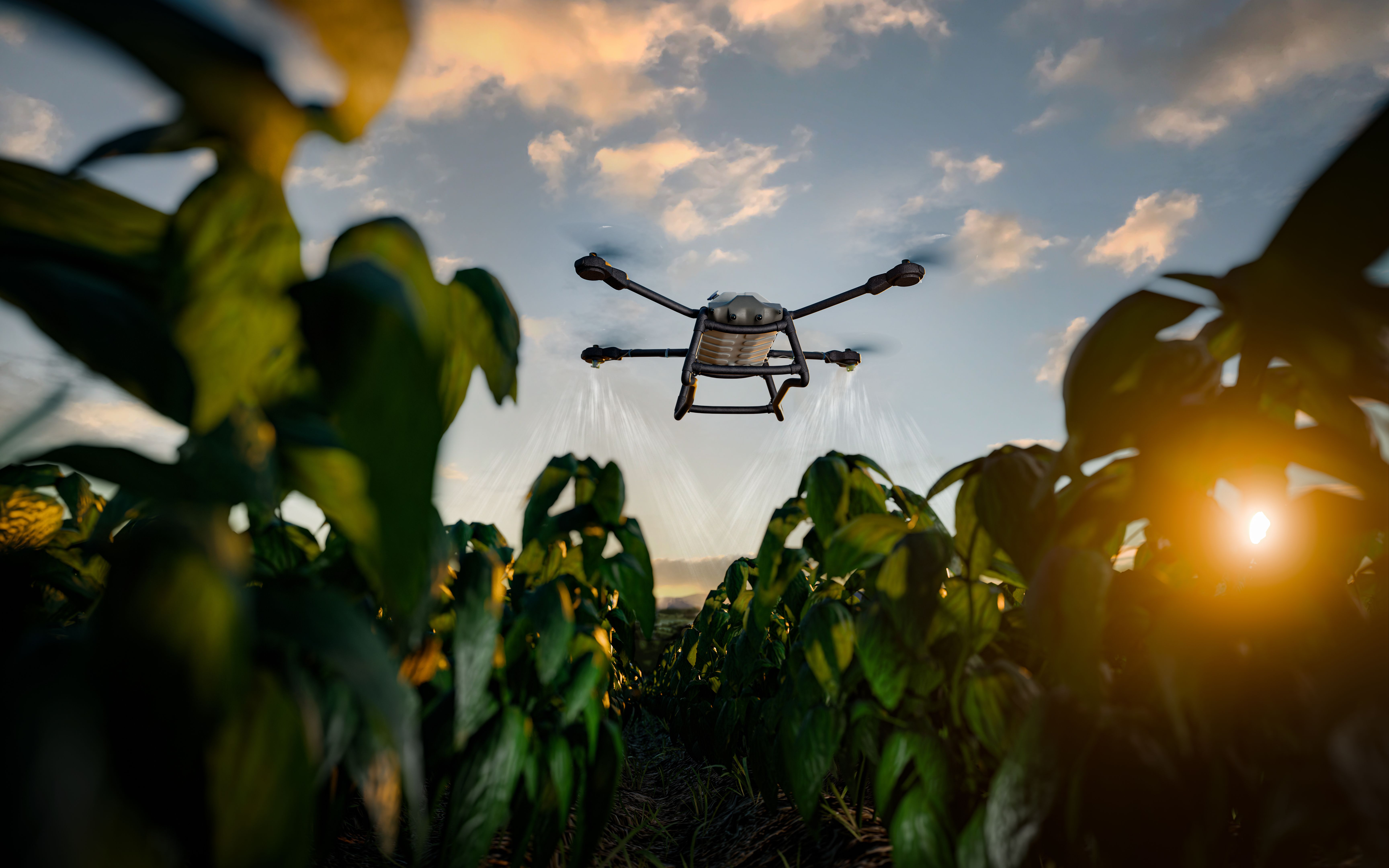
Water scarcity is a significant concern in the UAE, making efficient water management a top priority for farmers. Implementing drip irrigation systems can reduce water usage by delivering water directly to the plant's roots, minimizing evaporation and runoff.
In addition, rainwater harvesting systems can be utilized to capture and store rainwater for irrigation purposes. This method not only conserves water but also reduces dependency on municipal water sources.
Implementing Soil Moisture Sensors
Soil moisture sensors are effective tools for optimizing water use. These sensors provide real-time data on soil moisture levels, allowing farmers to make informed decisions about when and how much to irrigate. By preventing over-irrigation, these sensors help in conserving water and reducing costs.

Enhancing Fertilizer Efficiency
Using fertilizers efficiently is key to improving crop yields while minimizing environmental impact. Precision agriculture techniques, such as GPS-guided fertilizer application, ensure that nutrients are applied accurately and only where needed.
Moreover, integrating organic fertilizers and compost into farming practices can improve soil health and reduce the reliance on chemical fertilizers. This approach not only enhances crop growth but also promotes long-term soil fertility.
Utilizing Crop Rotation
Crop rotation is a traditional technique that plays a crucial role in maintaining soil health. By rotating crops, farmers can prevent nutrient depletion and reduce the need for chemical fertilizers. This practice also helps in managing pests and diseases, contributing to overall farm sustainability.
Incorporating Renewable Energy
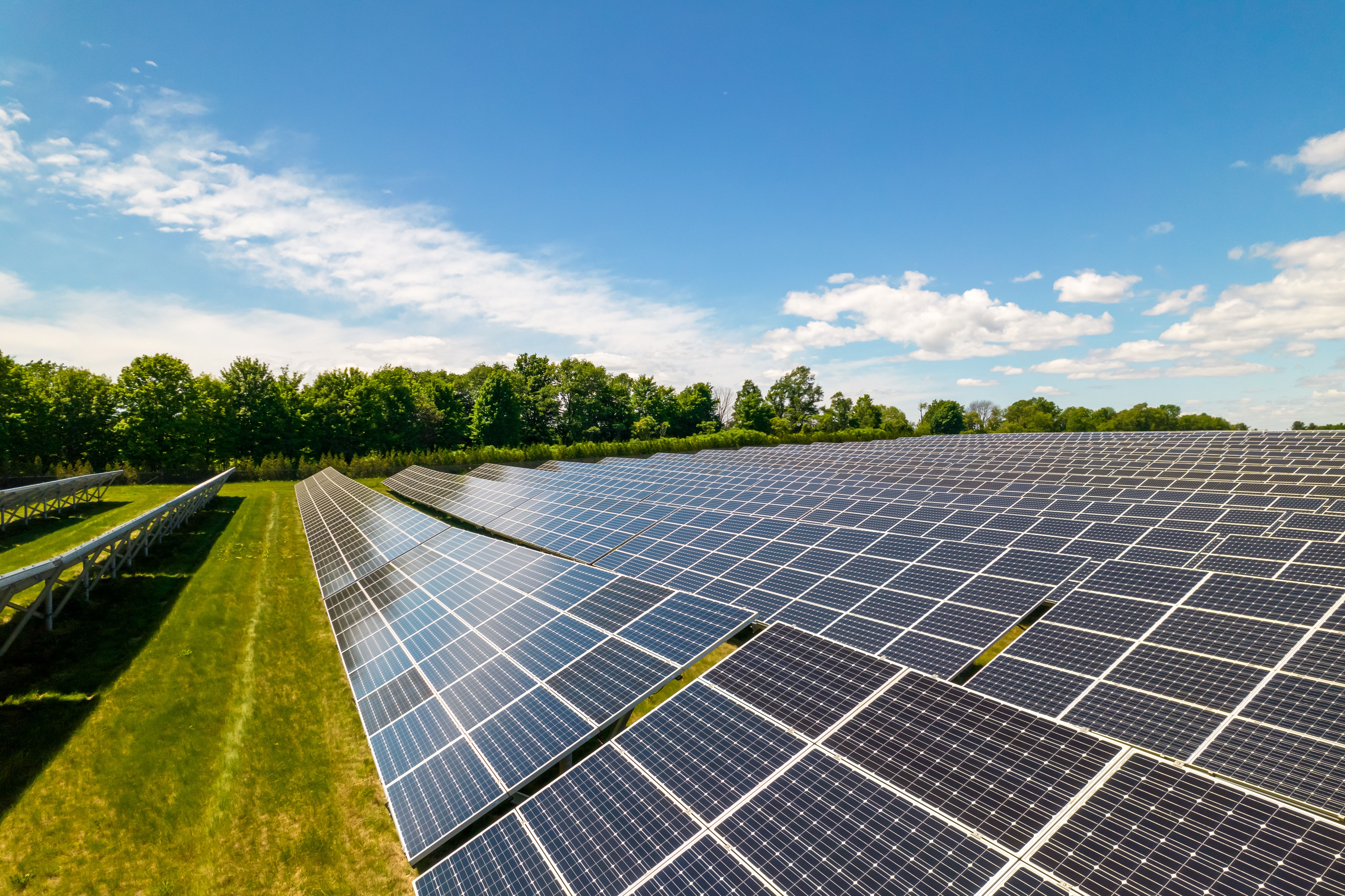
Energy efficiency is another critical aspect of agricultural input efficiency. Utilizing renewable energy sources, such as solar panels, can significantly reduce energy costs and carbon footprint. Many farms in the UAE are already adopting solar energy to power irrigation systems and other farm operations.
By investing in renewable energy, farmers not only cut down on energy expenses but also contribute to the nation's goal of increasing renewable energy use.
Adopting Energy-Efficient Equipment
Investing in energy-efficient machinery and equipment can further enhance operational efficiency. Modern tractors and equipment designed with energy-saving features help in reducing fuel consumption and operational costs.
Conclusion
Improving agricultural input efficiency in the UAE involves a combination of modern technology, traditional practices, and sustainable energy solutions. By focusing on water conservation, fertilizer management, and energy efficiency, farmers can significantly boost productivity while supporting environmental sustainability. These expert tips provide a roadmap for achieving a more efficient and resilient agricultural sector in the UAE.