
Eco-Friendly Farming Solutions in the UAE: A Comprehensive Guide


Introduction to Eco-Friendly Farming
Eco-friendly farming is gaining momentum in the UAE as farmers and agricultural businesses are increasingly focusing on sustainable practices. These practices not only help in conserving natural resources but also ensure long-term agricultural productivity. With the UAE's arid climate, implementing sustainable farming solutions is essential for environmental preservation and food security.
Water Conservation Techniques
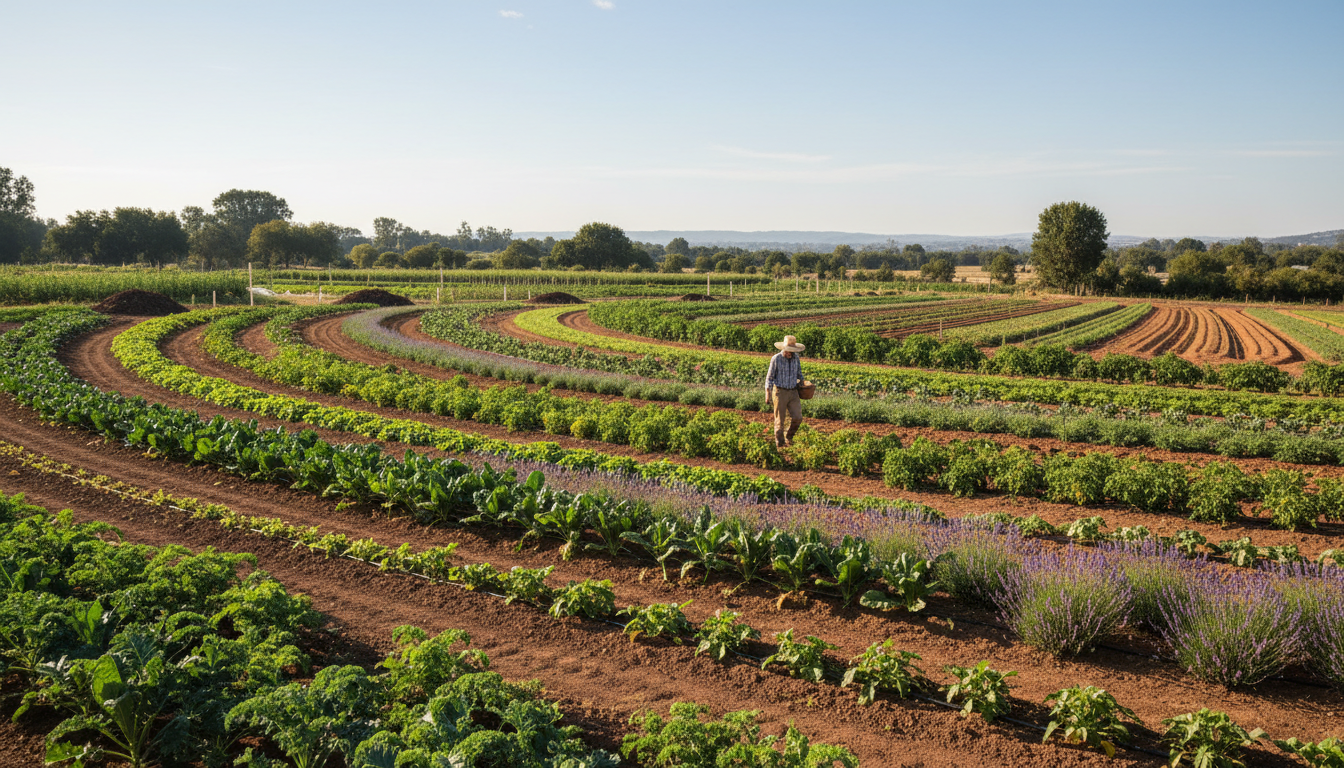
Given the UAE's limited water resources, employing water conservation techniques is crucial. One effective method is drip irrigation, which delivers water directly to the roots of plants, minimizing evaporation and water waste. This system can reduce water usage by up to 70% compared to traditional irrigation methods.
Another innovative approach is the use of hydroponics. This soil-less farming technique allows plants to grow in a nutrient-rich water solution. It is highly efficient in water usage and can produce higher yields in smaller spaces.

Organic Farming Practices
Organic farming is another critical component of eco-friendly agriculture in the UAE. By avoiding synthetic fertilizers and pesticides, organic farming promotes healthier soil and reduces pollution. Farmers can utilize composting to recycle organic waste into nutrient-rich soil amendments, further supporting sustainable practices.
Additionally, employing crop rotation and companion planting can enhance soil health and prevent pest infestations naturally. These practices encourage biodiversity and improve the resilience of farming systems.
Renewable Energy Integration
Integrating renewable energy sources into farming operations is vital for reducing carbon footprints. Solar panels can be installed to power irrigation systems, greenhouses, and other farm equipment. This not only reduces reliance on fossil fuels but also lowers operational costs over time.
Wind turbines are another option, especially for farms located in areas with consistent wind patterns. By harnessing natural energy sources, farmers can contribute to a more sustainable and environmentally-friendly agricultural sector.
Innovative Technologies and Practices
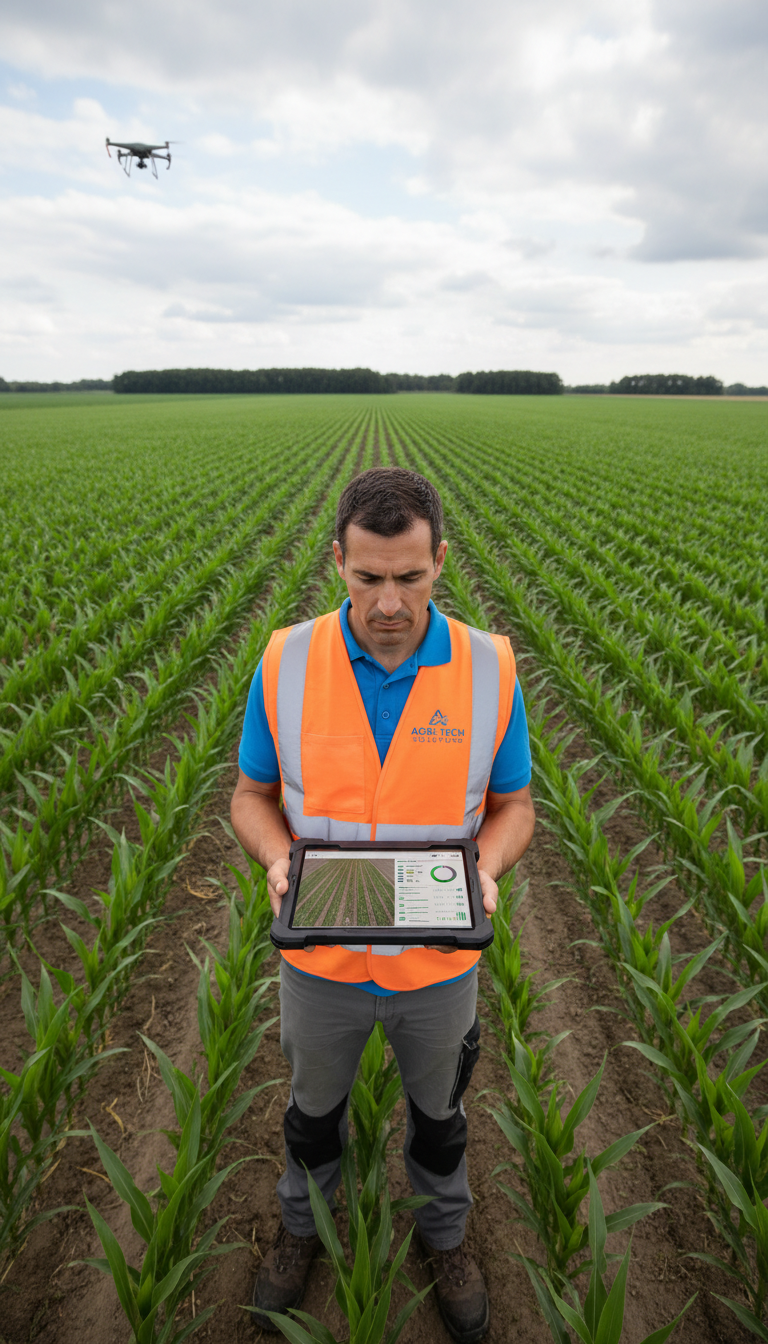
The use of technology in farming is revolutionizing how we approach sustainability. Precision agriculture employs GPS and IoT devices to monitor crop health and soil conditions, allowing farmers to make data-driven decisions. This technology ensures optimal resource utilization and reduces waste.
Furthermore, adopting vertical farming techniques can maximize space and increase production efficiency. Vertical farms use stacked layers to grow crops in controlled environments, making them ideal for urban settings and regions with limited arable land.
Conclusion
Eco-friendly farming solutions are essential for the future of agriculture in the UAE. By embracing water conservation techniques, organic practices, renewable energy, and innovative technologies, farmers can create more sustainable and resilient agricultural systems. These efforts will not only contribute to environmental protection but also ensure food security in the region for generations to come.