
Comprehensive Guide to Regenerative Farming in the Middle East


Introduction to Regenerative Farming
Regenerative farming is gaining traction worldwide as a sustainable agricultural practice that restores soil health, increases biodiversity, and enhances ecosystem resilience. In the Middle East, a region characterized by arid climates and scarce water resources, adopting regenerative techniques can significantly impact food security and environmental sustainability.

The Principles of Regenerative Farming
At its core, regenerative farming focuses on five key principles: minimizing soil disturbance, maintaining soil cover, promoting plant diversity, integrating livestock, and fostering continuous living roots. By adhering to these principles, farmers can improve soil fertility and reduce dependency on chemical inputs.
Minimizing Soil Disturbance
Tillage disrupts soil structure and microbial life. By adopting no-till or minimal-till practices, farmers can preserve soil integrity and enhance water retention, which is crucial in the dry climates of the Middle East.
Maintaining Soil Cover
Cover crops and mulching protect soil from erosion, retain moisture, and suppress weed growth. These practices are particularly important in preventing the degradation of soil in arid regions.
Promoting Plant Diversity
Diverse cropping systems foster resilient ecosystems. By rotating crops and intercropping, farmers can break pest cycles and improve nutrient cycling, which is essential for sustainable yields in challenging environments.
Integrating Livestock
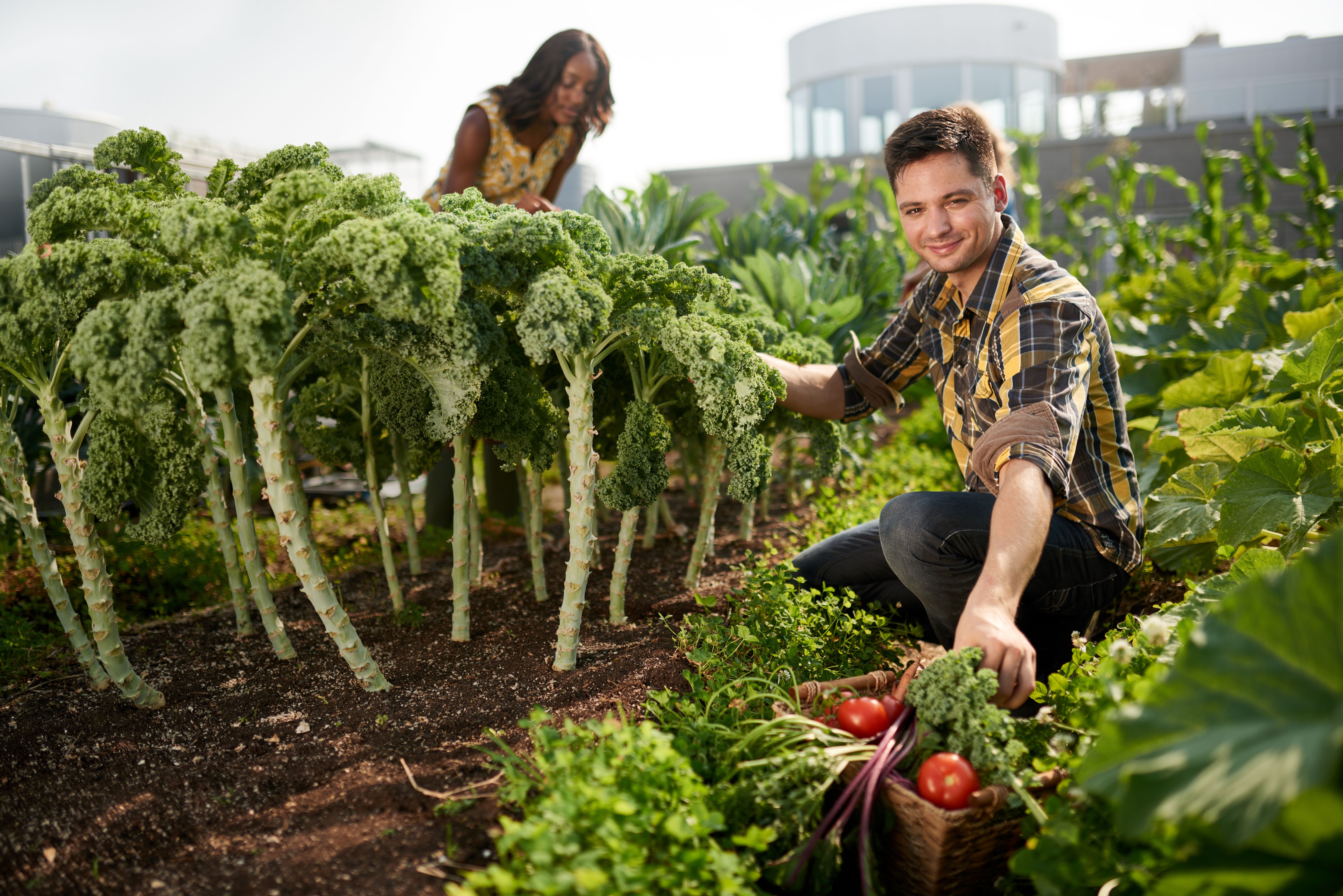
Livestock integration supports nutrient recycling and soil fertility. Grazing animals can help manage plant growth and enhance soil health, contributing to a balanced agricultural system.
Continuous Living Roots
Maintaining living roots in the soil year-round enhances soil structure and microbial activity. This practice improves water infiltration and retention, crucial for farming in water-scarce regions.
Challenges and Opportunities
Implementing regenerative farming in the Middle East faces challenges, such as water scarcity and limited access to resources. However, opportunities abound in innovative irrigation techniques and government initiatives supporting sustainable agriculture.
Innovative Irrigation Techniques
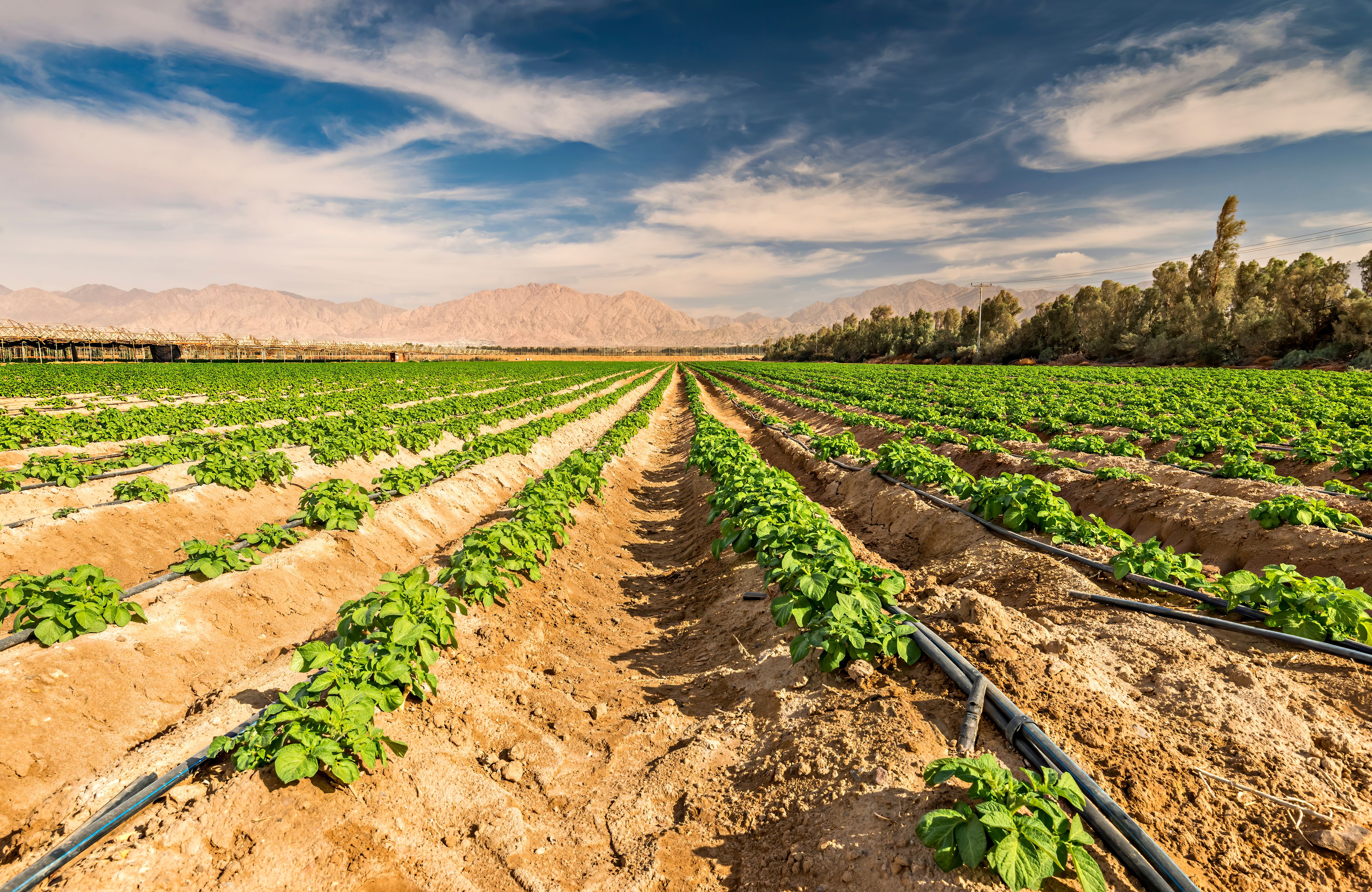
Drip irrigation and other water-efficient technologies are vital for maximizing water use efficiency. These methods can help farmers maintain productivity while conserving precious water resources.
Government Initiatives
Regional governments are increasingly recognizing the importance of sustainable agriculture. Supportive policies and funding can encourage the adoption of regenerative practices, leading to long-term ecological and economic benefits.
Conclusion
Regenerative farming offers a promising pathway for sustainable agriculture in the Middle East. By embracing these principles, the region can enhance food security, restore degraded lands, and build resilient agricultural systems that withstand climate challenges.