
Comparing Agricultural Strategies: Middle East vs. Global Practices


Introduction to Agricultural Strategies
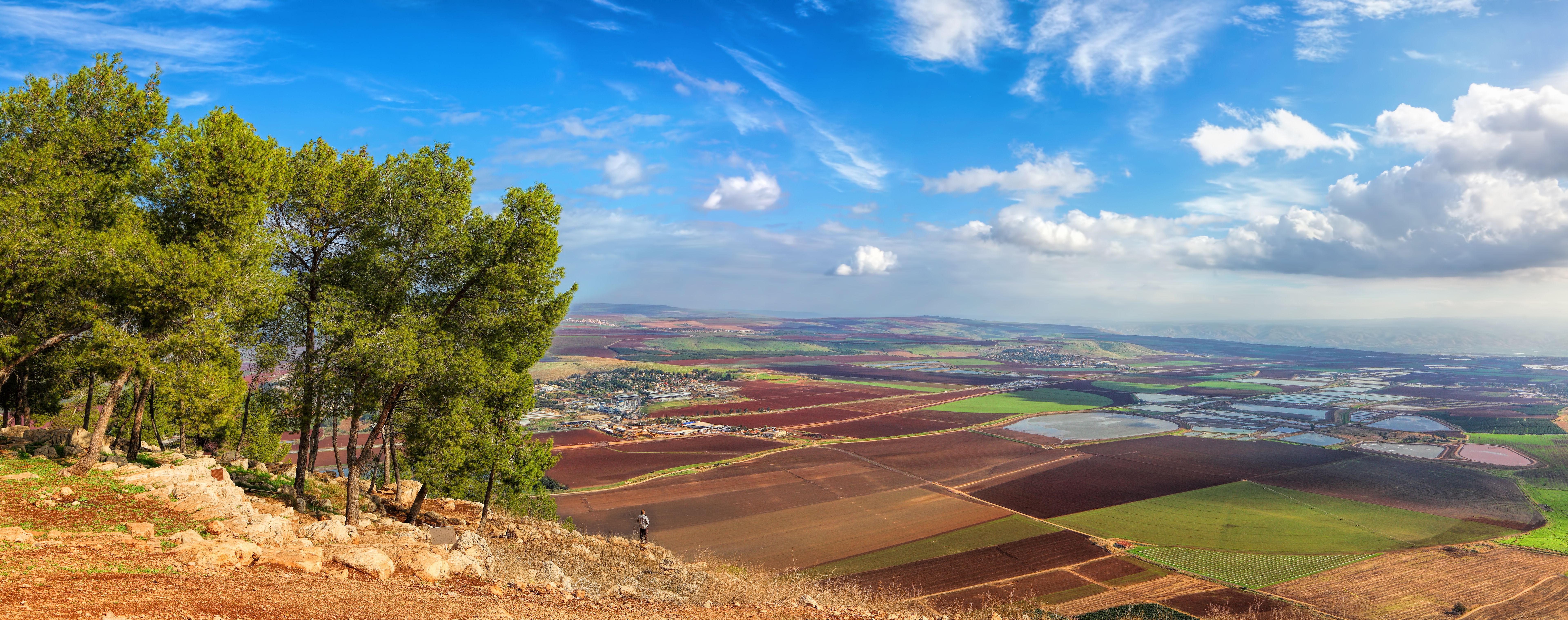
Agriculture is the backbone of many economies around the world. The strategies employed in farming and cultivation vary significantly between regions, influenced by climate, soil type, water availability, and cultural practices. In this blog post, we will explore and compare the agricultural strategies of the Middle East with global practices, highlighting both unique challenges and innovative solutions.
Middle East Agricultural Practices
Water Management
In the Middle East, water scarcity is a significant challenge due to arid and semi-arid climates. As a result, effective water management strategies such as drip irrigation and desalination are crucial. Drip irrigation, for instance, allows farmers to use water efficiently by delivering it directly to the plant roots, minimizing evaporation.
Soil Fertility
Maintaining soil fertility is another critical aspect of agriculture in the Middle East. The region's soil is often sandy and low in organic matter, necessitating the use of fertilizers and organic amendments. Techniques like crop rotation and the incorporation of legumes help to enrich the soil and improve its productivity.
Technological Innovations
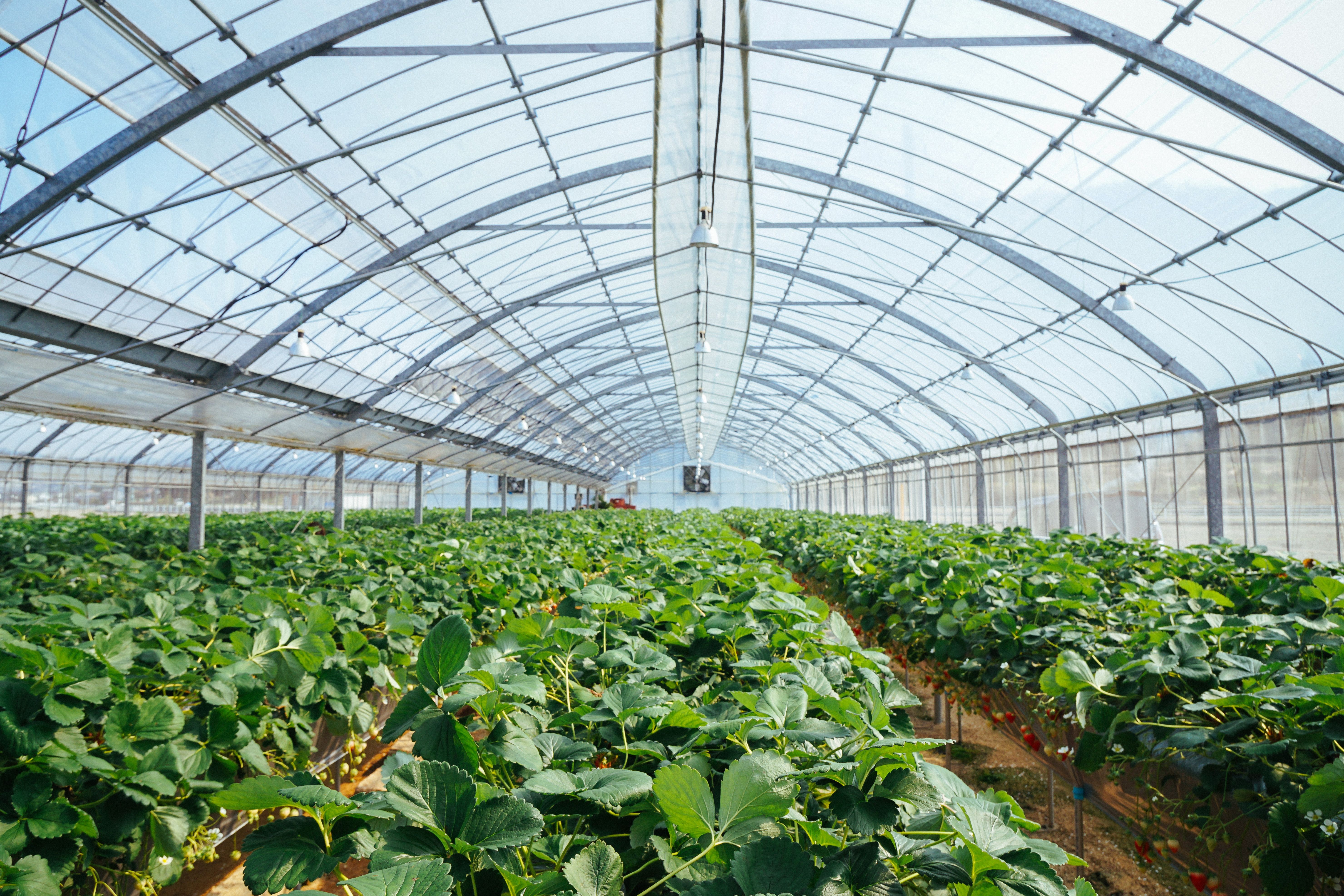
With limited natural resources, technological innovations play a vital role in Middle Eastern agriculture. The use of greenhouses, hydroponics, and controlled environment agriculture allows for sustainable year-round production. These technologies help mitigate the effects of harsh climatic conditions.
Global Agricultural Practices
Diverse Climates and Strategies
Globally, agriculture benefits from a wide variety of climates and ecosystems, allowing for diverse agricultural practices. For example, rice paddies in Southeast Asia rely on abundant water, while the plains of North America are ideal for wheat cultivation. These diverse climates enable a range of crop types and farming methods.
Sustainable Practices
Sustainability has become a focal point for global agricultural practices. Techniques such as organic farming, agroforestry, and permaculture are gaining popularity, aiming to reduce environmental impact and promote biodiversity. These strategies often emphasize the reduction of chemical inputs and the enhancement of soil health.
Technological Advancements
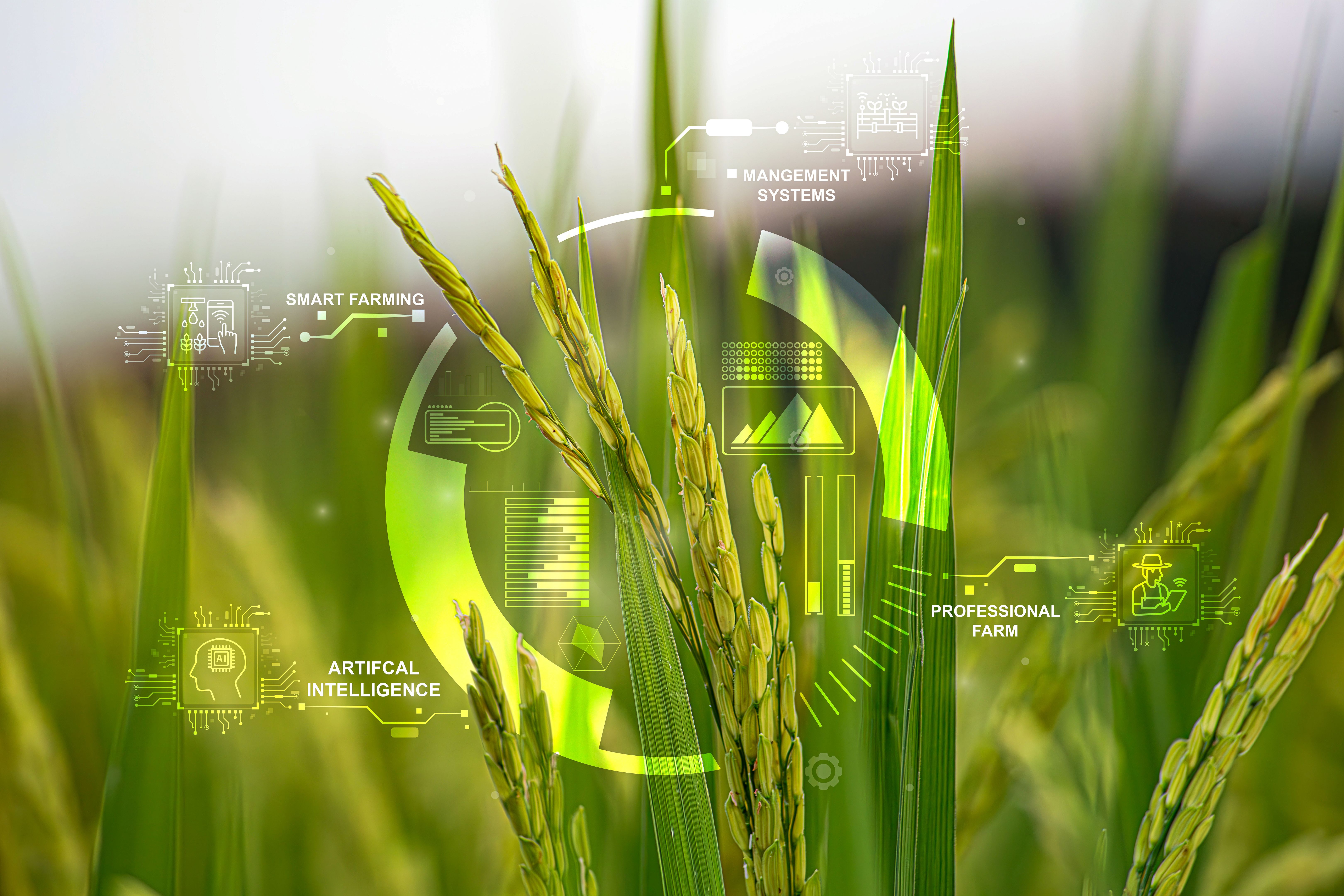
Technological advancements are transforming agriculture worldwide. Precision agriculture, which uses GPS and IoT technologies, allows farmers to optimize field-level management regarding crop farming. This results in increased efficiency and reduced waste. Biotechnology, including genetically modified organisms (GMOs), plays a role in enhancing crop resilience and yield.
Comparative Insights
When comparing Middle Eastern and global agricultural practices, several insights emerge. The Middle East's focus on water management and technological innovation addresses its unique challenges, while global practices often emphasize sustainability and biodiversity. Both regions can learn from each other's experiences to enhance agricultural productivity and sustainability.
In conclusion, while the Middle East faces distinct challenges due to its climate and resources, its innovative approaches provide valuable lessons for the global community. Meanwhile, global practices offer insights into sustainable agriculture that could benefit the Middle Eastern context. By sharing knowledge and strategies, the world can work towards a more resilient and sustainable agricultural future.