
A Guide to Sustainable Agriculture Practices in the UAE


In recent years, sustainable agriculture has become a critical focus in the United Arab Emirates. With its arid climate and scarce water resources, the UAE is compelled to adopt innovative practices to ensure food security and environmental sustainability. Here, we explore some of the most effective sustainable agriculture practices being implemented in the region.

Water Conservation Techniques
Water scarcity is one of the most significant challenges in the UAE. To address this, farmers are increasingly turning to water conservation techniques. Drip irrigation is a popular method that delivers water directly to the plant roots, minimizing waste. This technique can reduce water usage by up to 60% compared to traditional irrigation methods.
Additionally, rainwater harvesting is gaining traction. By collecting and storing rainwater, farms can reduce their dependency on groundwater and desalinated water. These practices are crucial for maintaining sustainable agricultural operations in the UAE’s harsh climate.
Soil Management and Fertility
Soil health is vital for sustainable agriculture. In the UAE, innovative soil management practices are being employed to improve fertility and productivity. Composting organic waste is one such practice, enriching the soil with vital nutrients and reducing the need for chemical fertilizers.

Another approach is the use of cover crops. Planting cover crops helps prevent soil erosion, retain moisture, and suppress weeds, leading to improved soil health and enhanced crop yields.
Agroforestry and Crop Diversification
Agroforestry, the integration of trees and shrubs into agricultural landscapes, is increasingly popular in the UAE. This practice not only enhances biodiversity but also provides shade, reducing water evaporation and protecting crops from extreme temperatures.
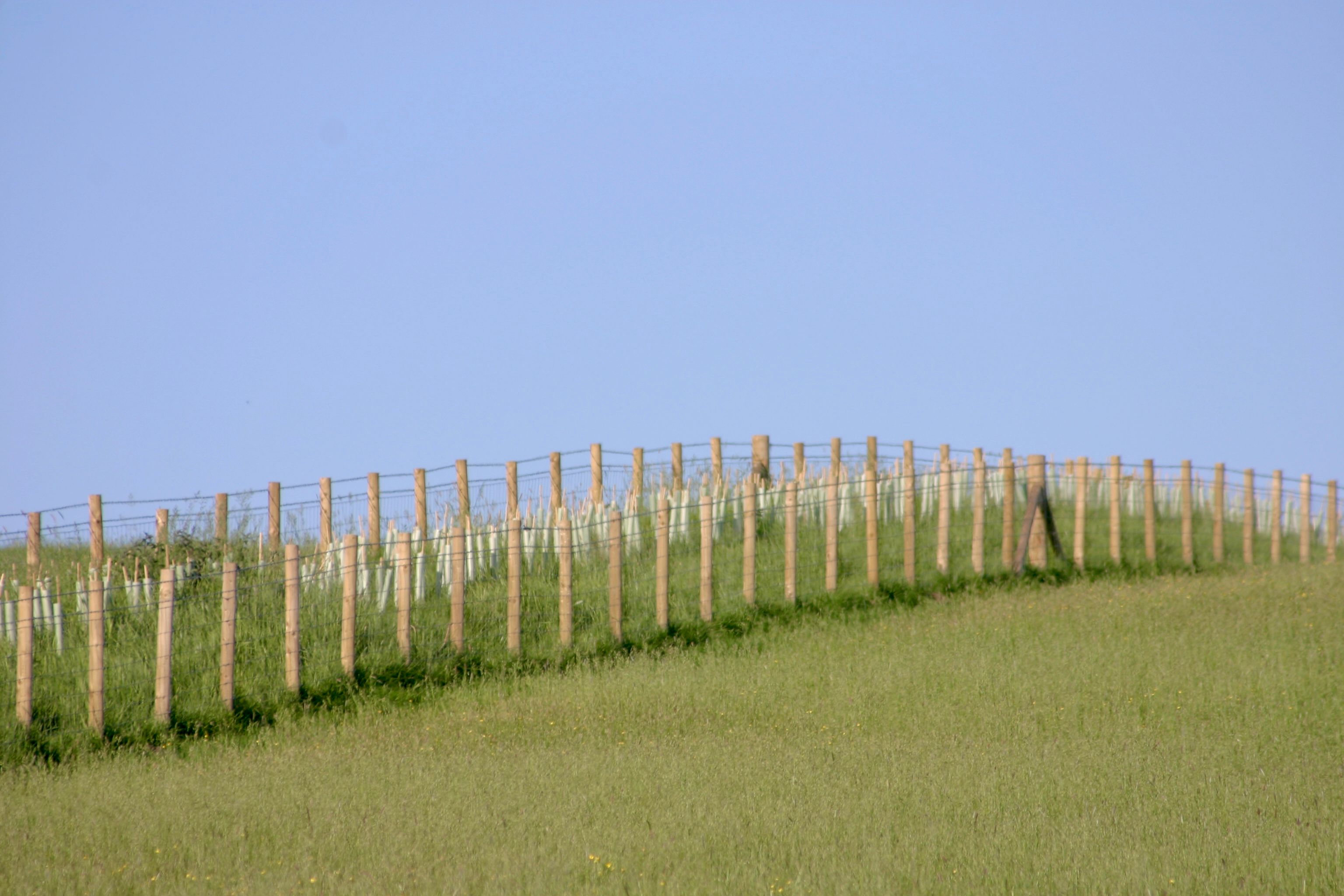
Crop diversification is another strategy employed to enhance resilience. By growing a variety of crops, farmers can reduce the risk of total crop failure due to pests or adverse weather conditions. This diversity also contributes to a more balanced ecosystem.
Use of Technology and Innovation
The UAE is at the forefront of using technology to promote sustainable agriculture. Vertical farming is one such innovation, allowing crops to be grown in controlled environments with minimal land use. This method is particularly effective in urban areas where space is limited.
Additionally, smart farming technologies such as sensors and drones are being used to monitor crop health, optimize irrigation, and manage resources efficiently. These technologies help farmers make informed decisions that lead to more sustainable practices.
Community Involvement and Education
Community involvement and education are essential for the success of sustainable agriculture. Initiatives to educate farmers about sustainable practices and resource management are crucial. Workshops and training programs are regularly conducted to equip farmers with the necessary skills and knowledge.

Moreover, urban farming projects are gaining popularity, encouraging communities to participate in growing their own food sustainably. This not only helps in reducing the carbon footprint but also fosters a deeper connection with food production.
In conclusion, sustainable agriculture in the UAE involves a combination of traditional knowledge and modern technology. By adopting these practices, the UAE is making significant strides toward achieving food security and environmental sustainability in a challenging climate.