
A Comprehensive Guide to Improving Agricultural Input Efficiency in the UAE


Understanding Agricultural Input Efficiency
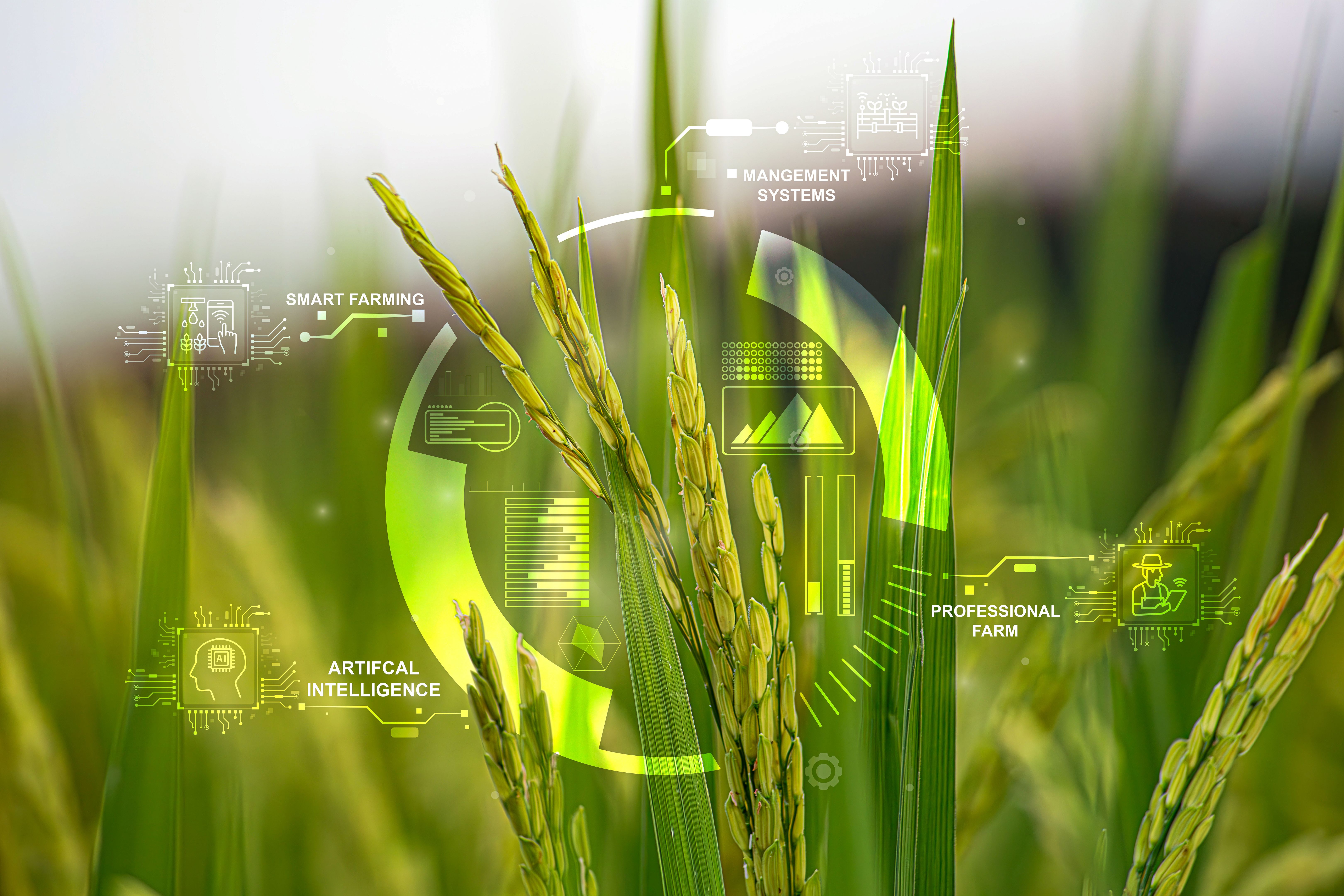
In the UAE, enhancing agricultural input efficiency is crucial for sustainable farming. Efficient use of resources like water, fertilizers, and seeds not only boosts productivity but also conserves the environment. The region's arid climate presents unique challenges, making resource optimization vital for agricultural success.
With technological advancements and innovative practices, farmers can significantly improve input efficiency. Leveraging these tools can lead to increased yields and reduced environmental impact, ensuring food security and economic growth.
Water Management Strategies
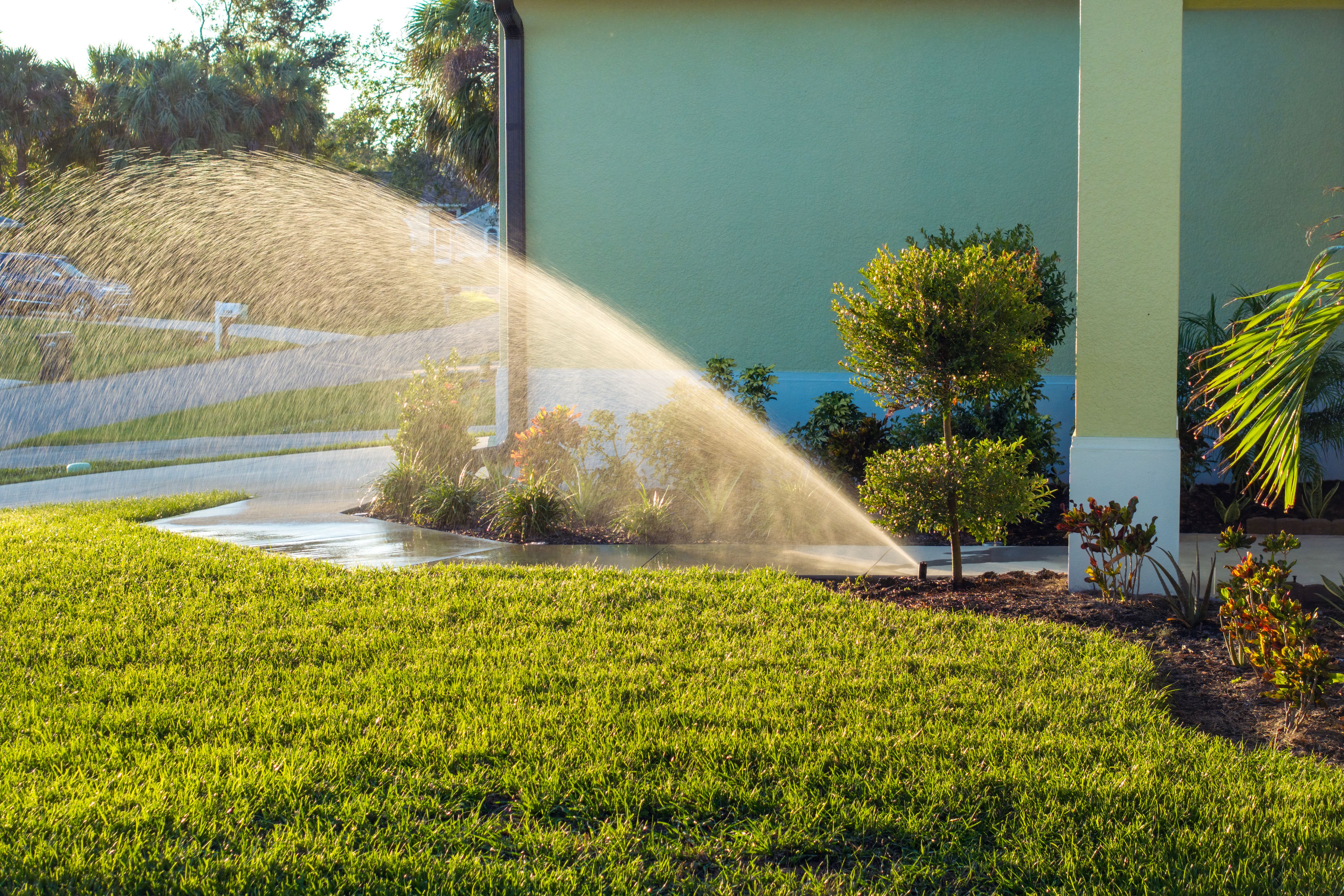
Water is a precious resource in the UAE, and its efficient use is paramount. Implementing modern irrigation systems such as drip or sprinkler irrigation can drastically reduce water wastage. These methods deliver water directly to the plant roots, minimizing evaporation and runoff.
Additionally, adopting soil moisture sensors can help farmers monitor real-time water needs, ensuring that crops receive the optimal amount of hydration. This approach not only conserves water but also enhances crop health and yield.
Optimizing Fertilizer Use
Applying fertilizers efficiently is essential for maximizing crop output while minimizing environmental harm. Farmers in the UAE can use precision agriculture techniques to apply the right amount of fertilizer at the right time. This involves using GPS and data analytics to understand soil nutrient levels and crop requirements.
Moreover, integrating organic fertilizers or biofertilizers can improve soil health and reduce dependency on chemical inputs. These sustainable practices contribute to a balanced ecosystem and long-term agricultural productivity.
Innovative Seed Technologies
Seed selection plays a critical role in agricultural input efficiency. Using high-yield and drought-resistant seed varieties can significantly impact productivity. These seeds are engineered to thrive in the UAE's challenging climate, requiring fewer resources for growth.
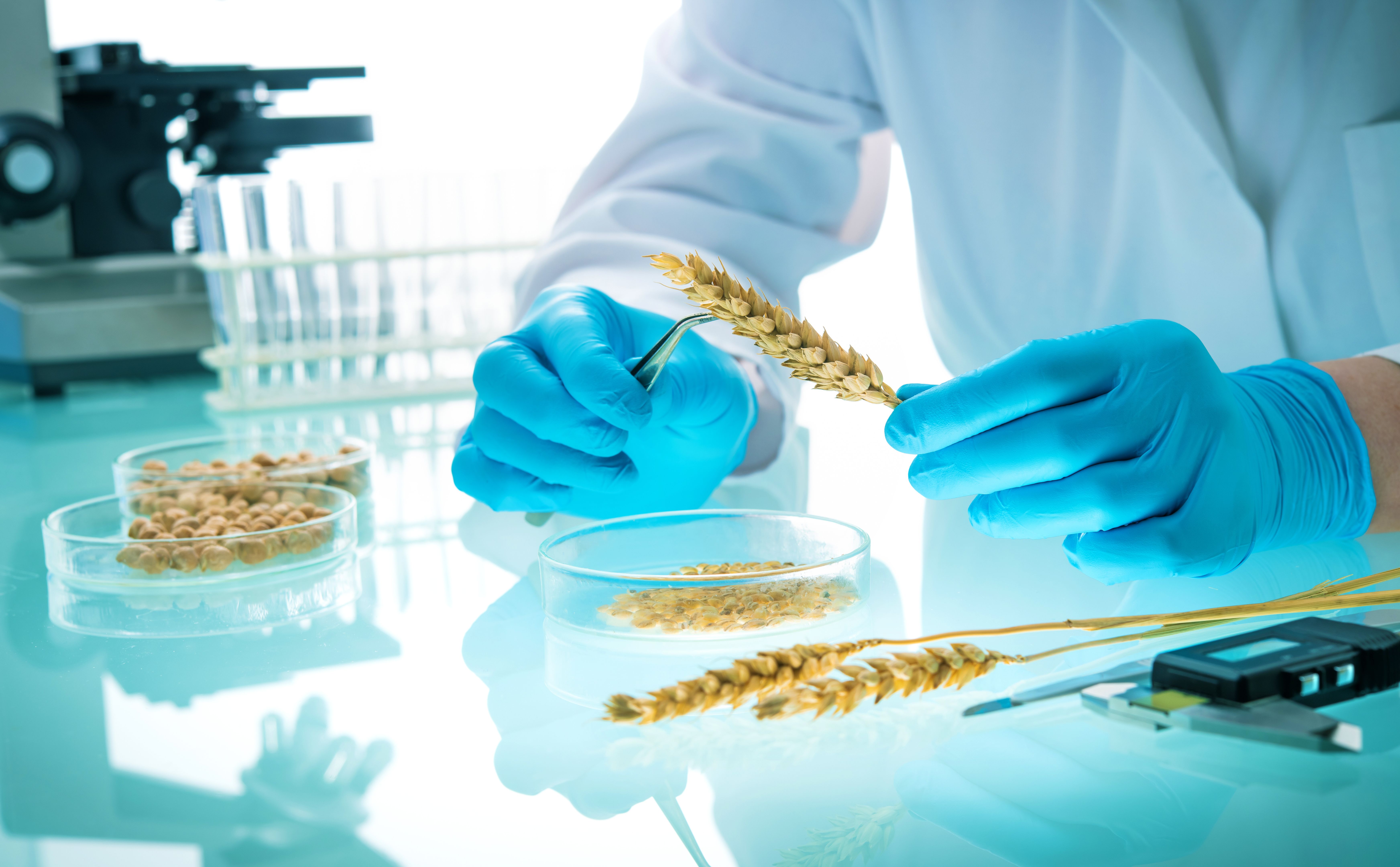
Farmers can also benefit from seed coating technologies, which provide seeds with protective layers of nutrients and growth stimulants. This enhances germination rates and establishes strong crop stands, leading to better yields.
Embracing Technology and Automation
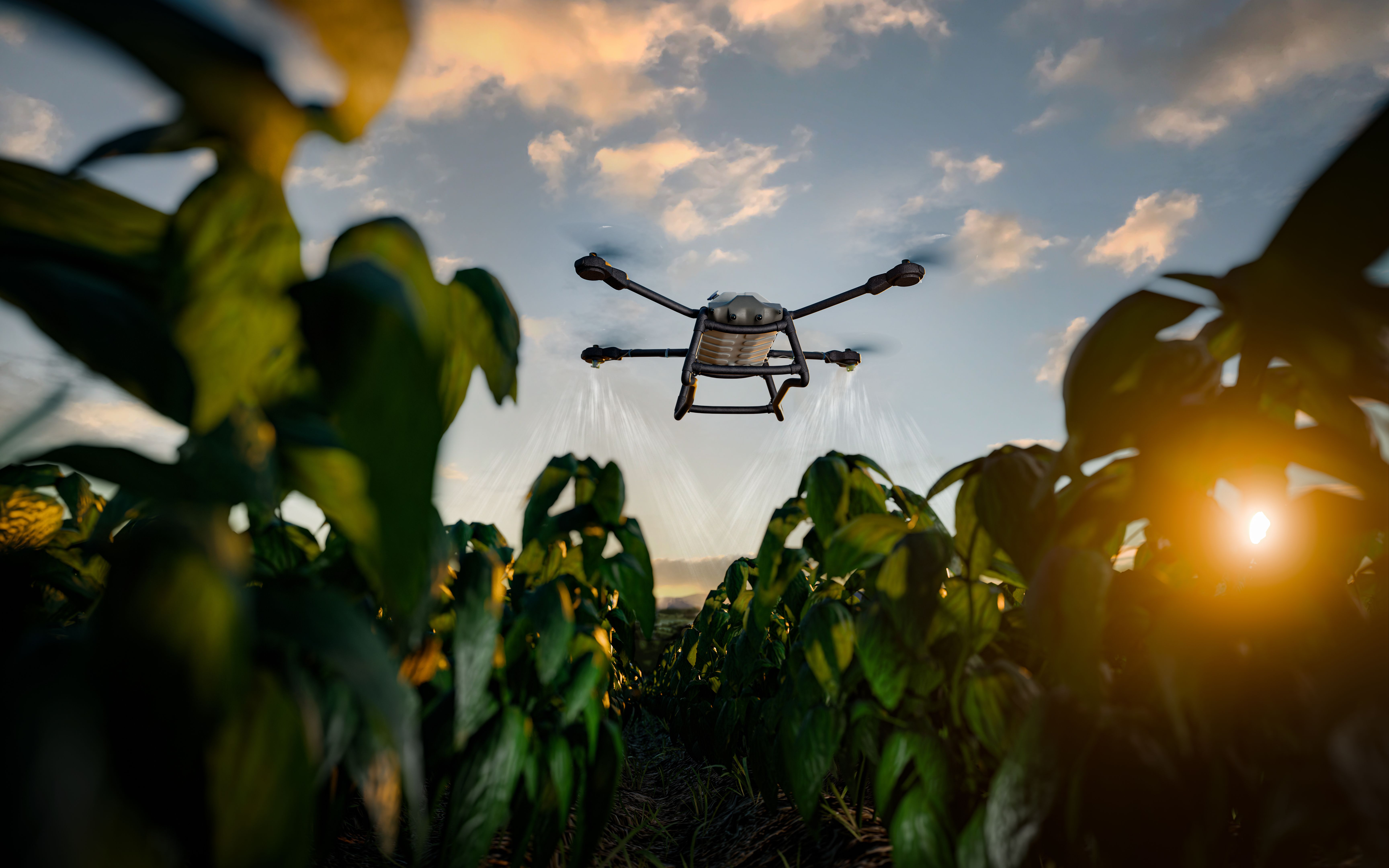
The integration of technology and automation in agriculture can revolutionize input efficiency. Tools like drones and satellite imagery offer precise data on crop health and field conditions. This information enables farmers to make informed decisions on resource allocation.
Automation in farming operations, such as automated tractors and harvesters, can further enhance efficiency. These technologies reduce labor costs and improve the precision of input application, ensuring resources are used optimally.
Conclusion: Toward Sustainable Agriculture
Improving agricultural input efficiency in the UAE is not just about adopting new technologies—it's about creating a sustainable farming ecosystem. By focusing on efficient water use, optimized fertilizer application, innovative seeds, and embracing technology, the UAE can achieve greater agricultural productivity with minimal environmental impact.
As farmers and stakeholders collaborate to implement these strategies, the region can look forward to a future of resilient and sustainable agriculture that supports both economic and environmental goals.